National Monument · MT

Little Bighorn Battlefield National Monument

This land is a place to honor and reflect on the sacrifices made here on June 25 and 26, 1876, when Lakota, Cheyenne, and Arapaho warriors fought against a deliberate attack by the U.S. Army's 7th Cavalry, led by Lt. Col. George Custer, who sought to enforce policies that threatened their traditional way of life. How are the results of the battle felt in the West and Indigenous communities today?

nps.gov ↗

Photos

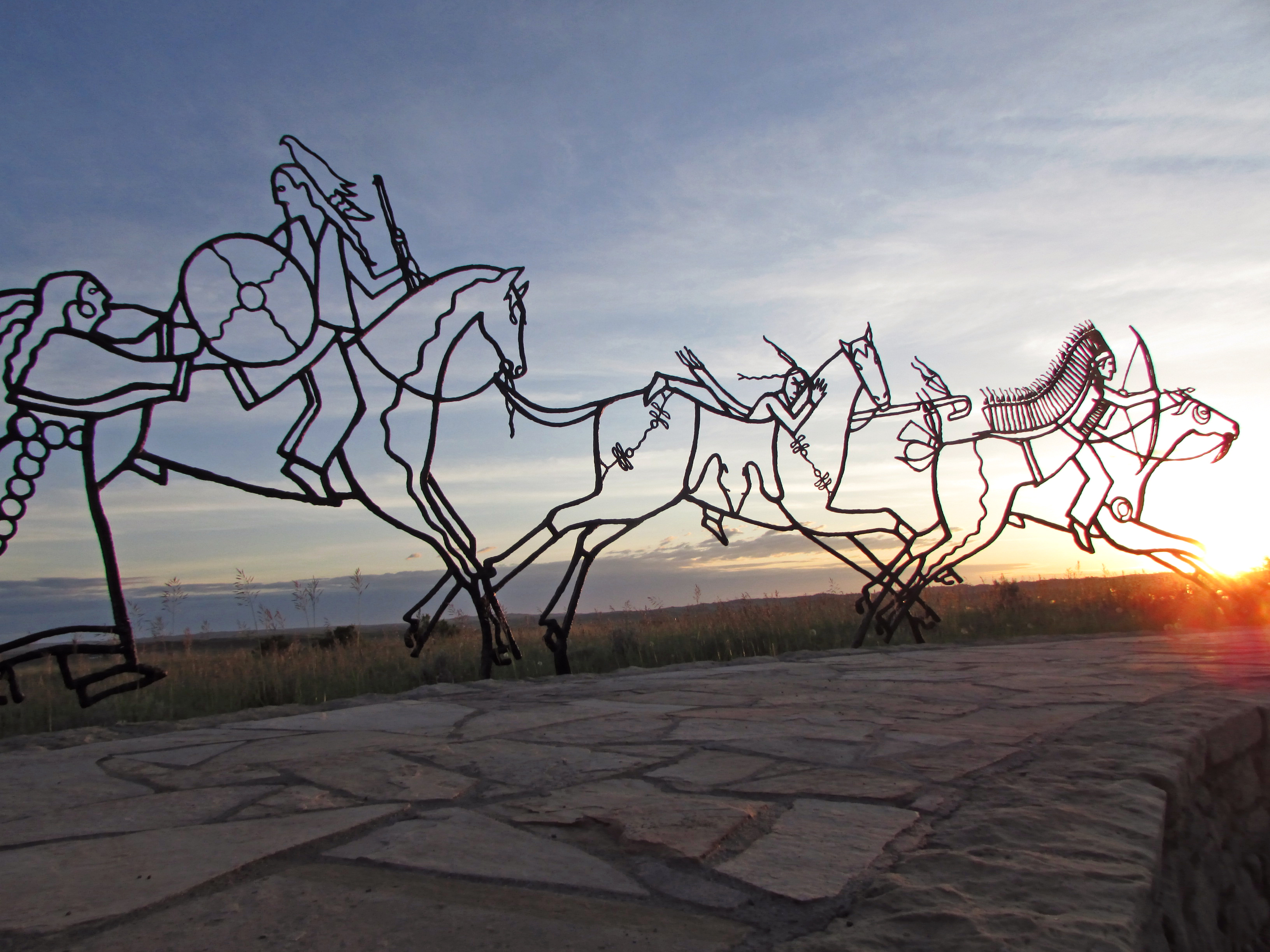
The sun sets behind the Indian Memorial.
The Indian Memorial is a circular earthwork carved gently into the prairie. The walls carry the names of those who fell here as well as the words of some who fought in the battle.
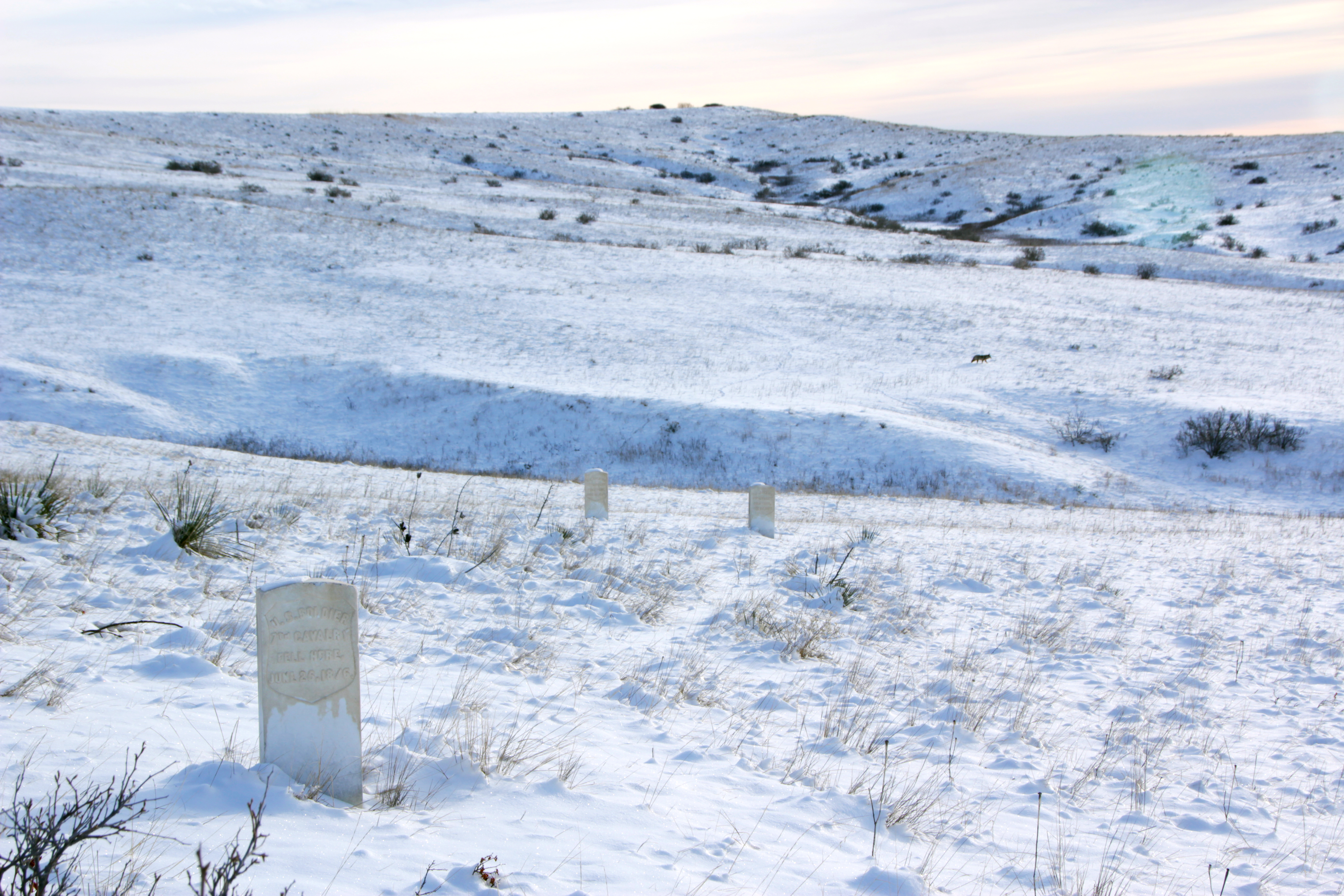
Headstone can still been seen even with the fresh snow that blankets the battlefield .
The monument and battlefield are open year round, even in winter when snow coats the ground.
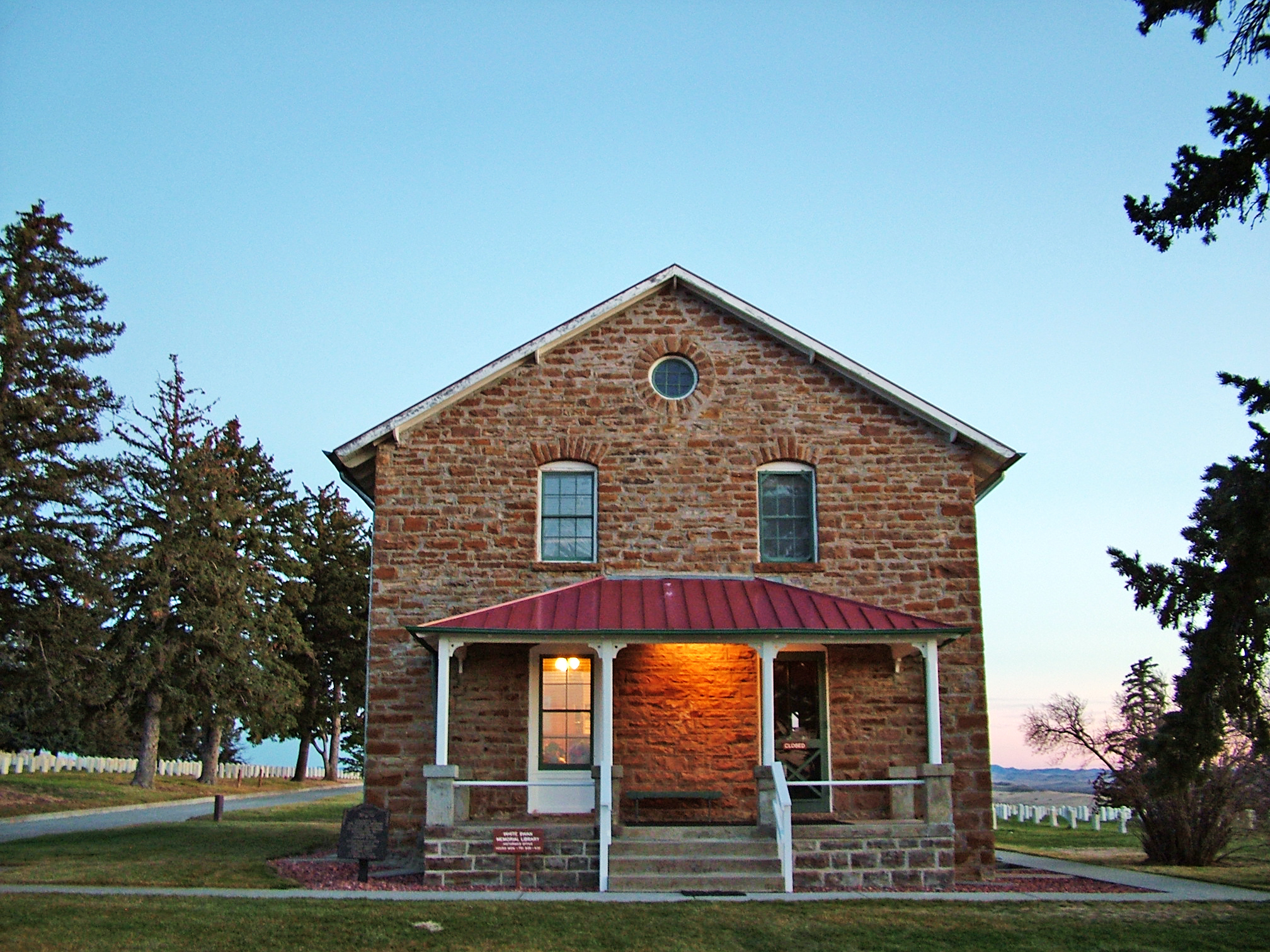
The stone house sits on the edge of the Custer National Cemetery.
The stone house once served as a house for the Superintendent and their family. It has been renovated and restored and now serves as an office and research area.
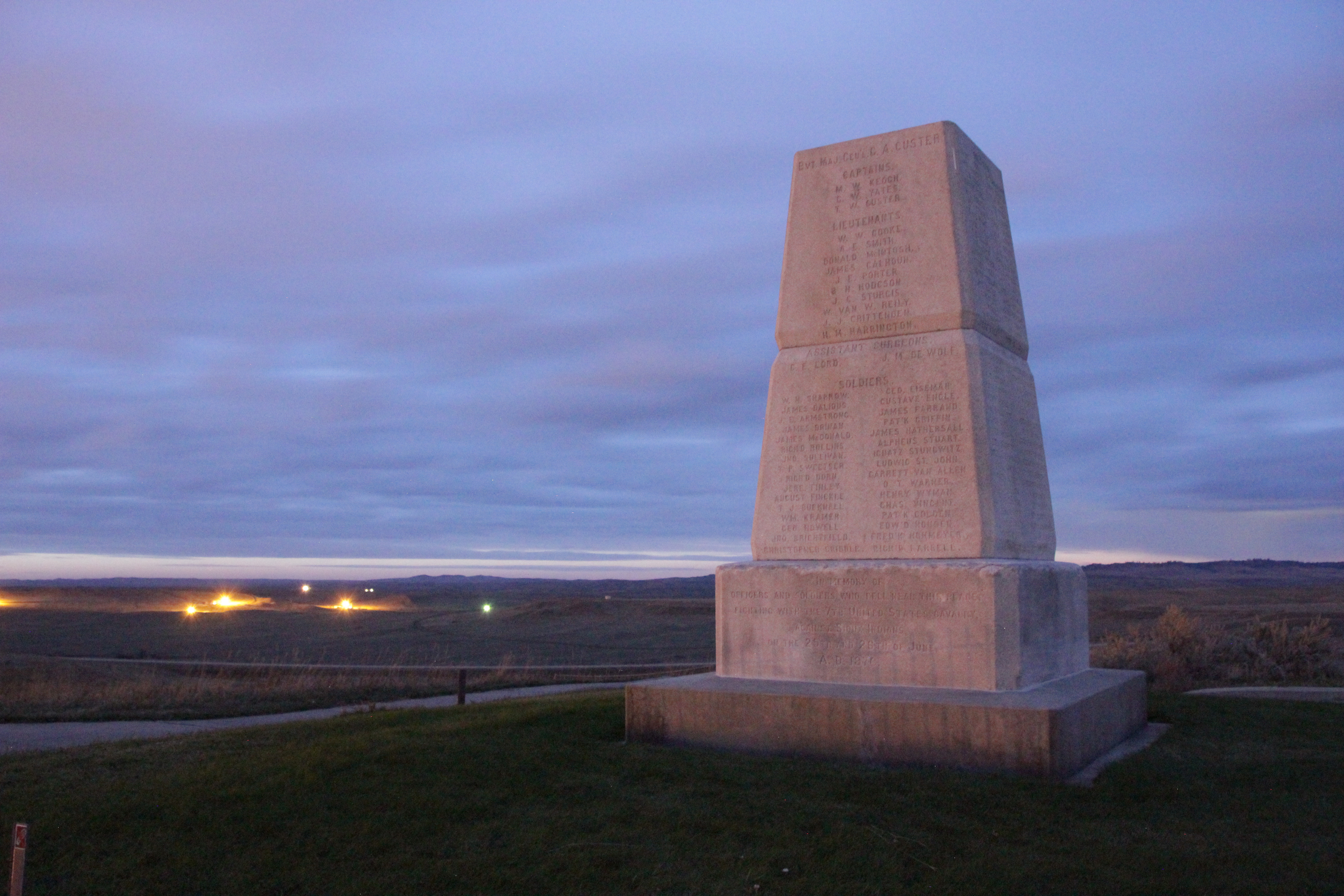
The Seventh Calvary Memorial at dusk.
About 40 to 50 men of the original 210 were cornered on the hill where the monument now stands.
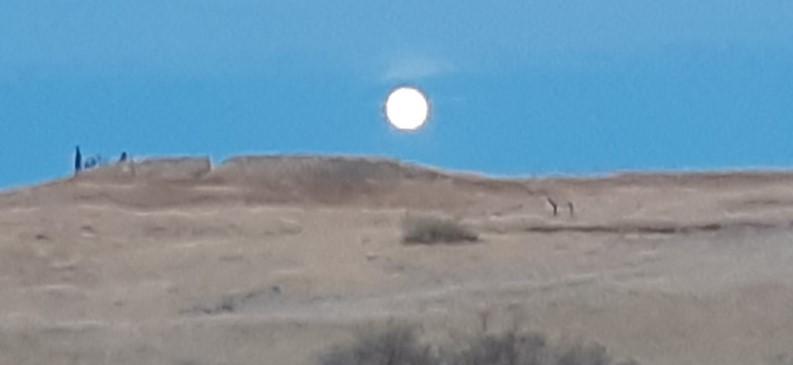
A rising moon peaks above the eastern horizon in January.
Little Bighorn Battlefield National Monument moon rising above the Indian Memorial

Activities

  • Auto and ATV
  • Scenic Driving
  • Guided Tours
  • Self-Guided Tours - Walking
  • Self-Guided Tours - Auto
  • Junior Ranger Program
  • Museum Exhibits
  • Shopping
  • Bookstore and Park Store