National Historical Park · HI

Kalaupapa National Historical Park

When Hansen's disease (leprosy) was introduced to the Hawaiian Islands, King Kamehameha V banished all afflicted to the isolated Kalaupapa Peninsula on the north shore of Molokai. Since 1866, more than 8,000 people, mostly Hawaiians, have died at Kalaupapa. Once a prison, Kalaupapa is now a refuge for the few remaining residents who are cured but were forced to live their lives in isolation.

nps.gov ↗

Photos

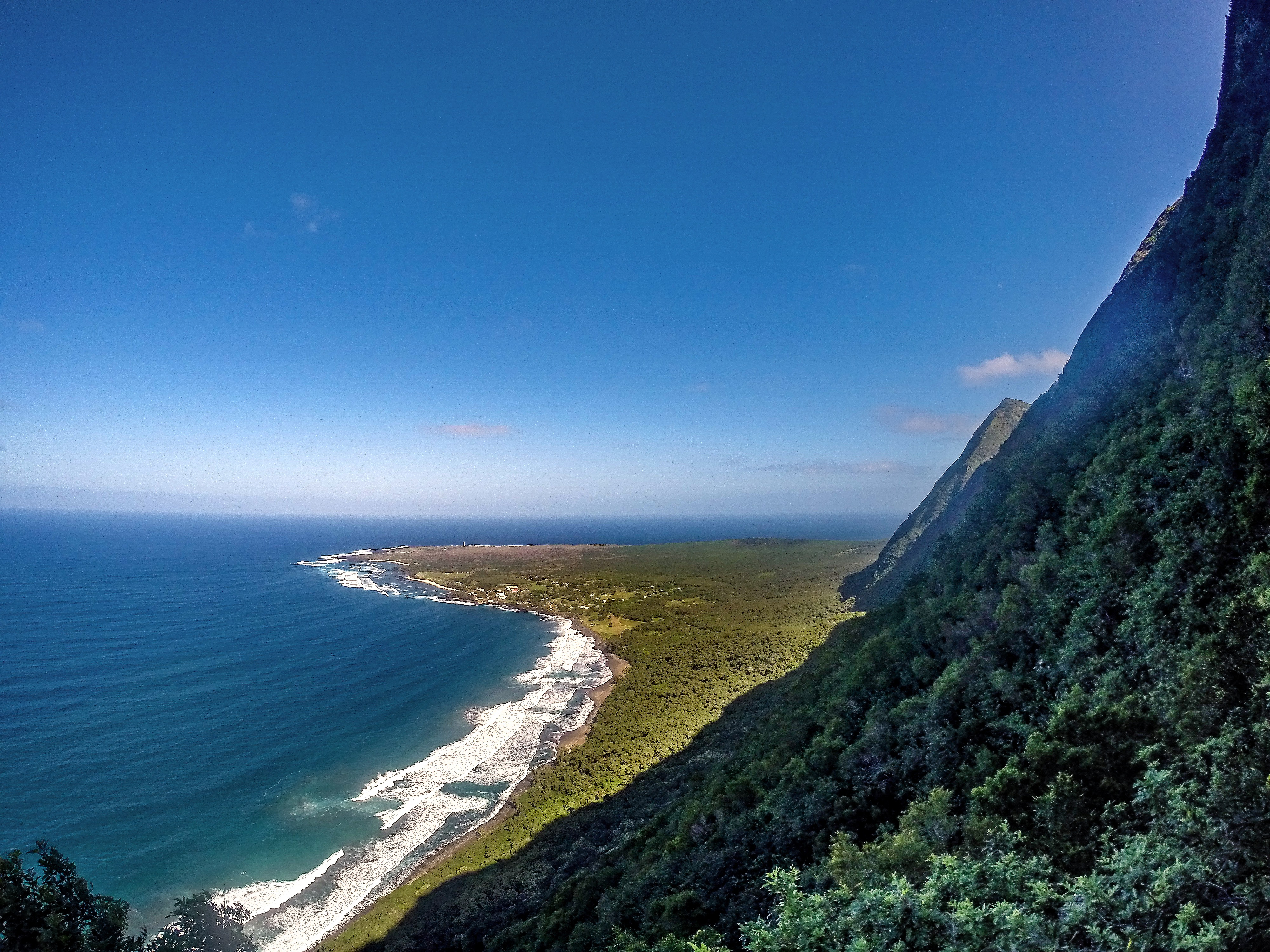
View of Kalaupapa Peninsula from Overlook
The Kalaupapa peninsula was once a prison for those inflicted with Hansen's disease. Approximately 8000 people were forced to live their lives in isolation here.
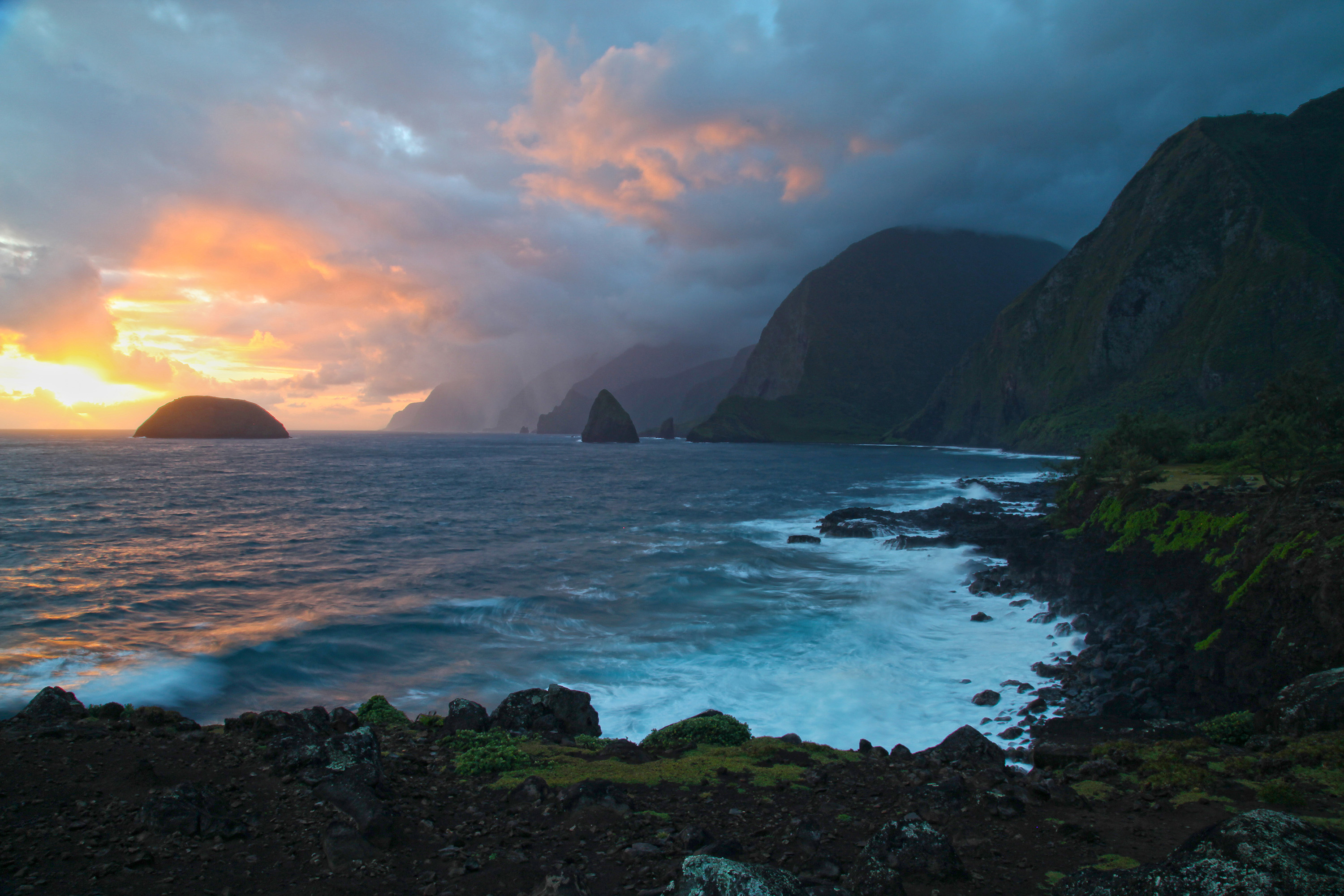
View of pali (sea cliffs) on the north shore of Molokai
Kalaupapa National Historical Park contains some of the world's tallest sea cliffs, which formed a natural barrier to the Hansen's disease settlement.
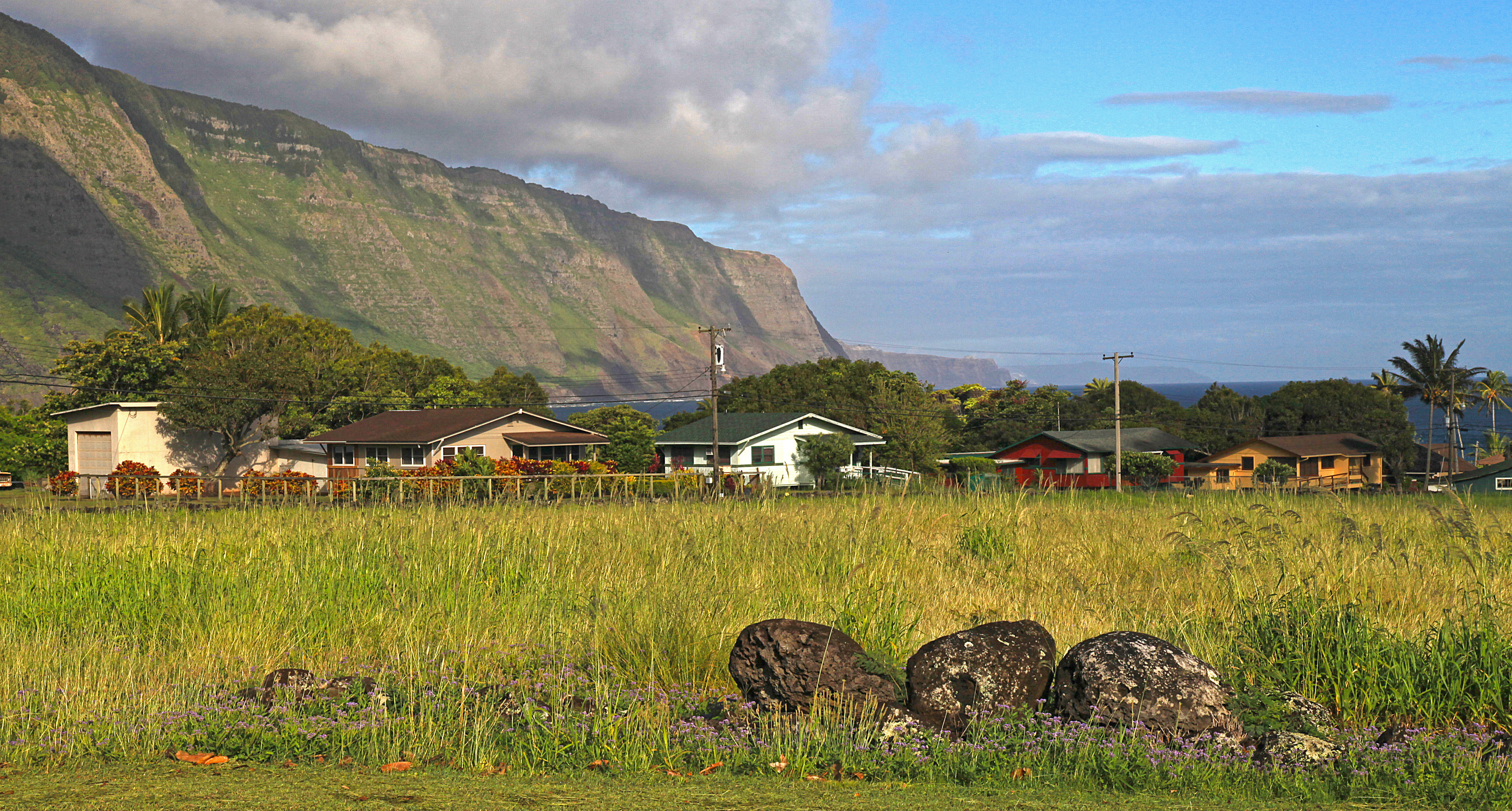
View of residences along Damien Road
Patients lived in a combination of group homes and single family residences at Kalaupapa.
View of the sunrise over the north shore of Molokai
Kalawao with its rocky shoreline was the landing spot for the first Hansen's disease patients sent to Kalaupapa.
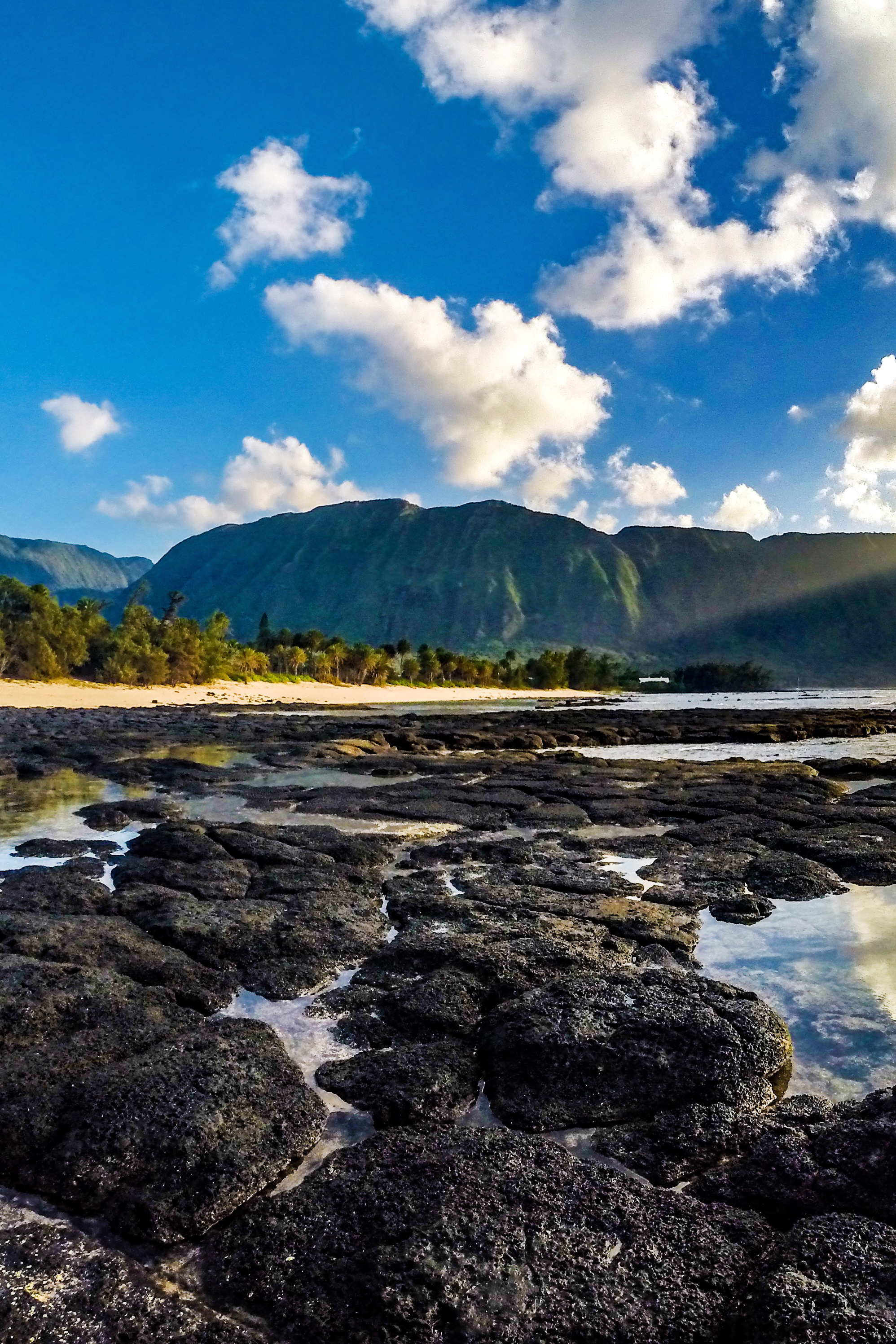
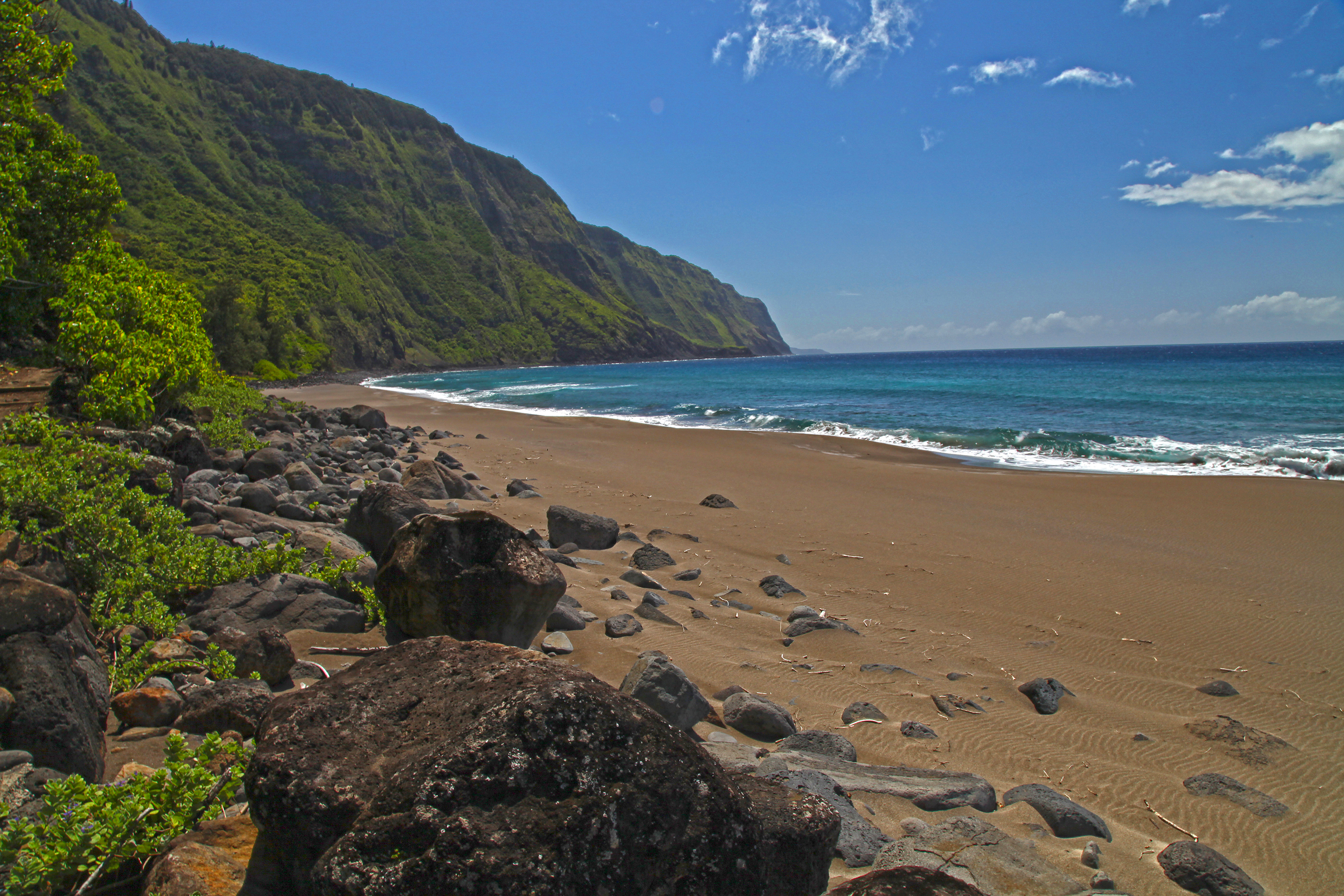
View of Black Sand Beach and Awahua Bay
Black Sand Beach is one of several sandy beaches at Kalaupapa, most known for its sea turtle nesting habitat.
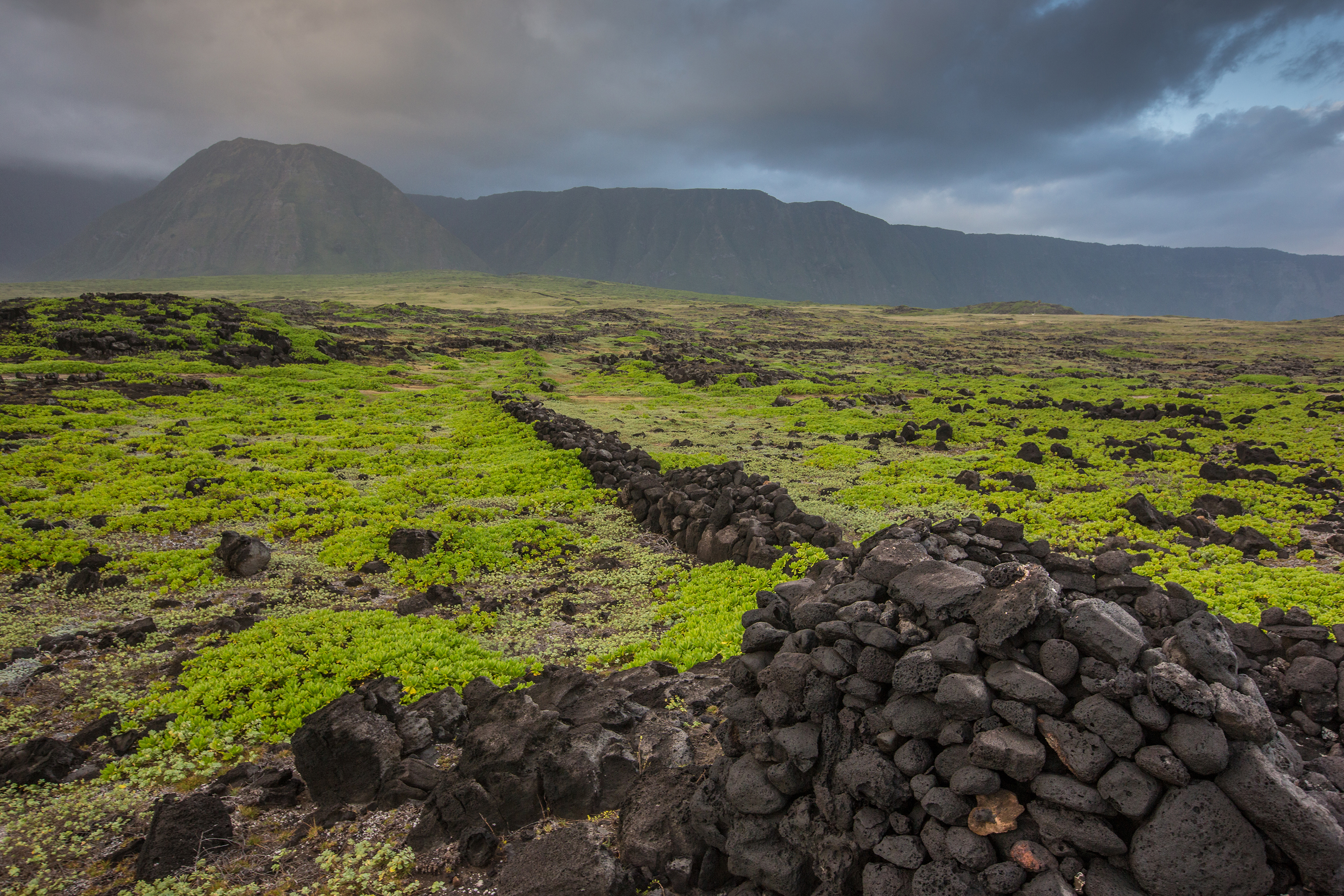
View of rock walls and native Hawaiian archeological sites at Kalaupapa.
Kalaupapa is also home to one of the most well-preserved archeological complexes in all of Hawaii.
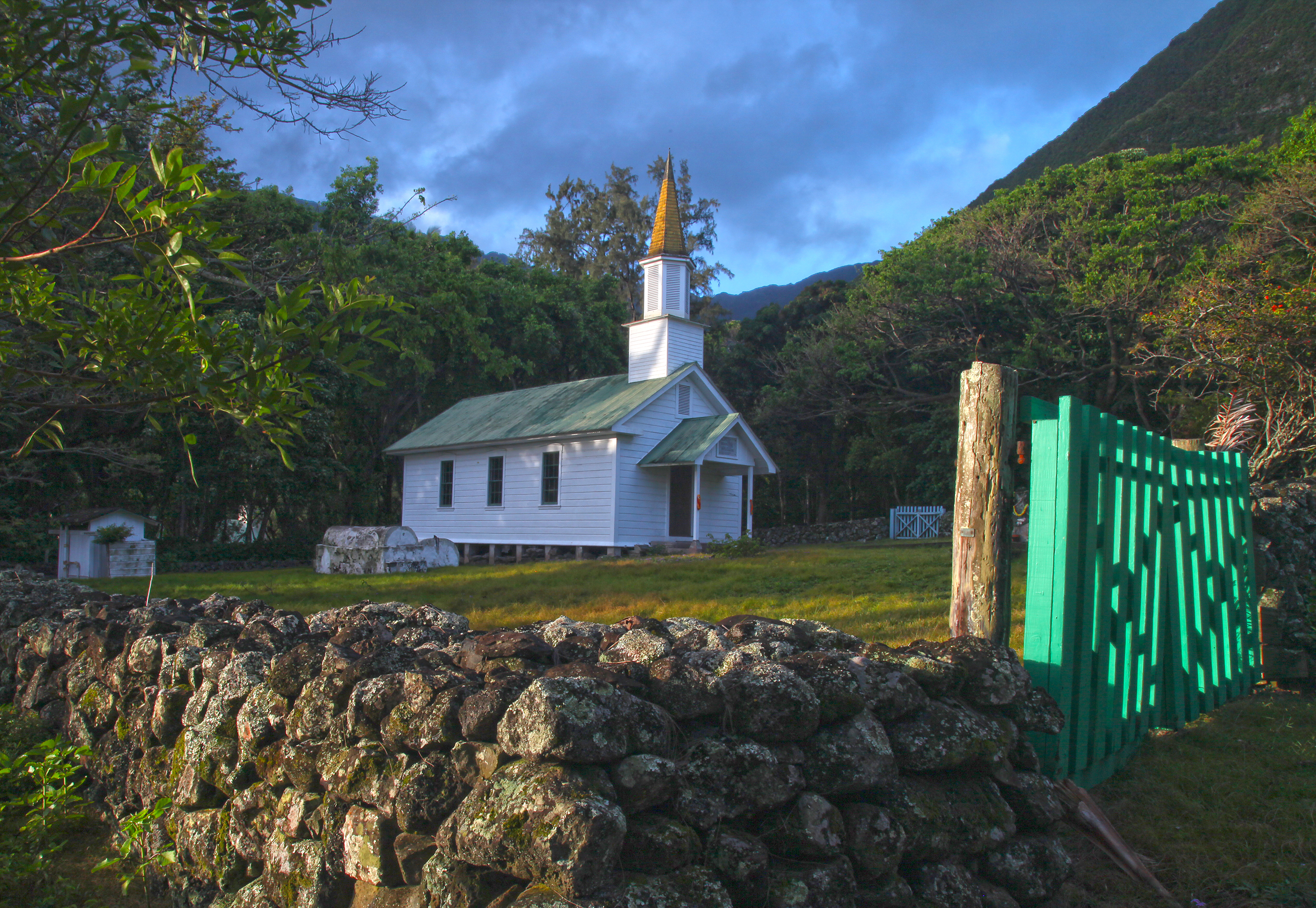
Siloama Church at Kalawao settlement
Siloama Church was the first church established at Kalawao in 1866. It is one of two remaining buildings at Kalawao today.
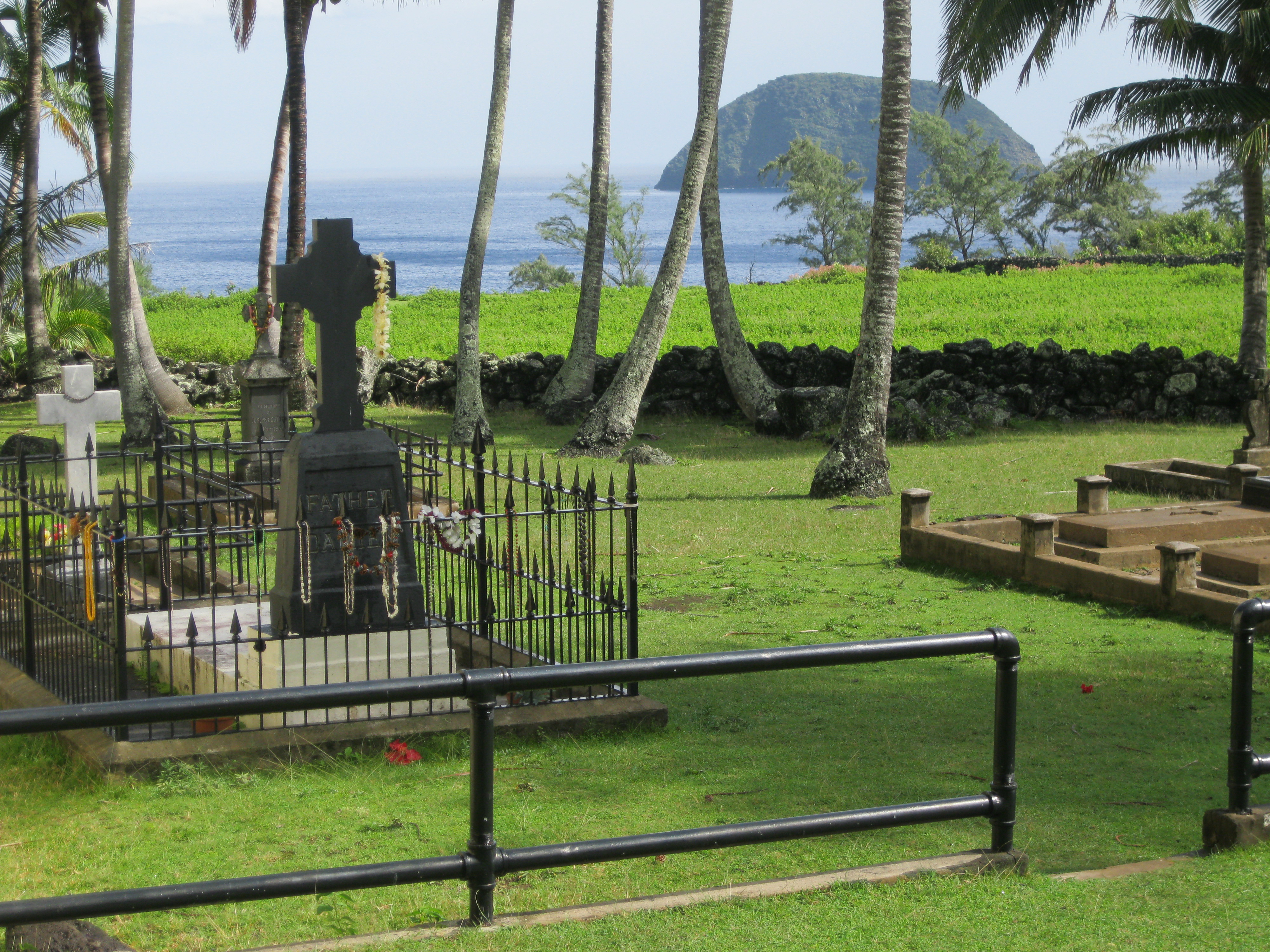
View of St. Damien's Grave at Kalawao with ocean in background.
Saint Damien is one of two Catholic saints at Kalaupapa who came to serve the Hansen's disease patients in the late 19th century.
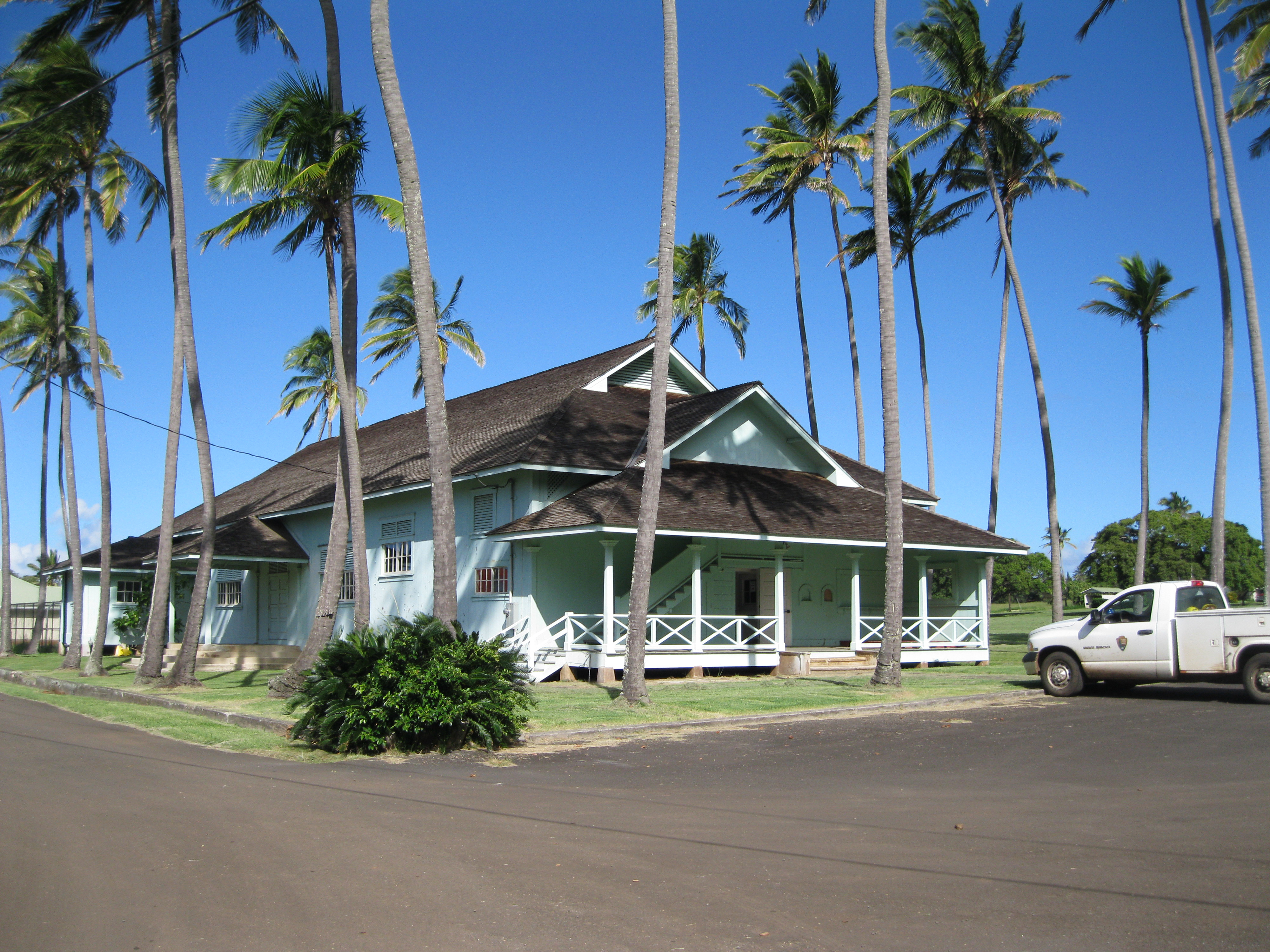
View of Paschoal Hall also known as the Kalaupapa Social Hall
Paschoal Hall, also known as the Kalaupapa Social Hall, served as the community's recreational center with movies, entertainers, and dances.
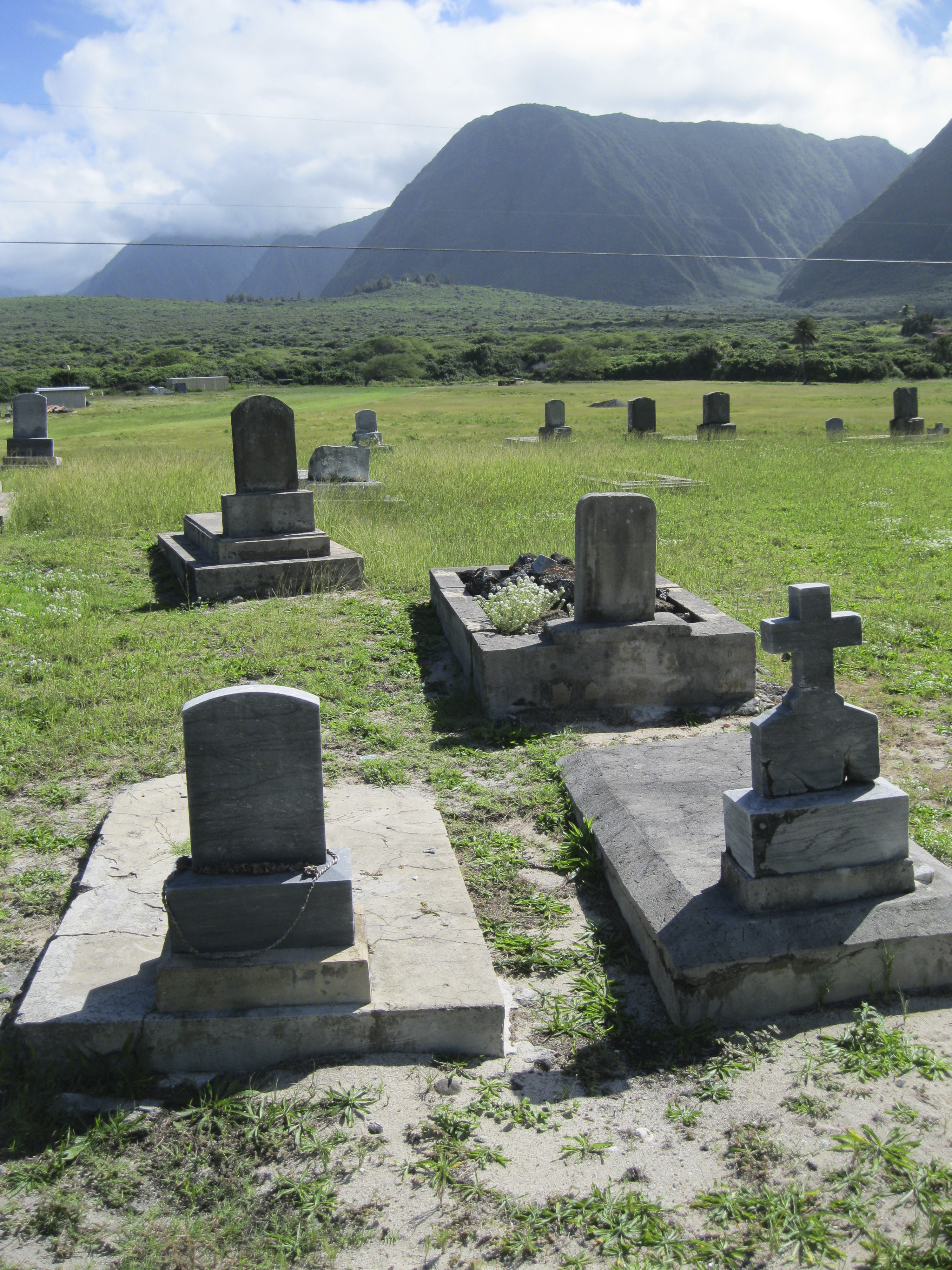
View of grave markers at Papaloa Cemetery in Kalaupapa
Kalaupapa is the final resting place for approximately 8000 people. Papaloa Cemetery is the largest cemetery located along the west shoreline of the peninsula.
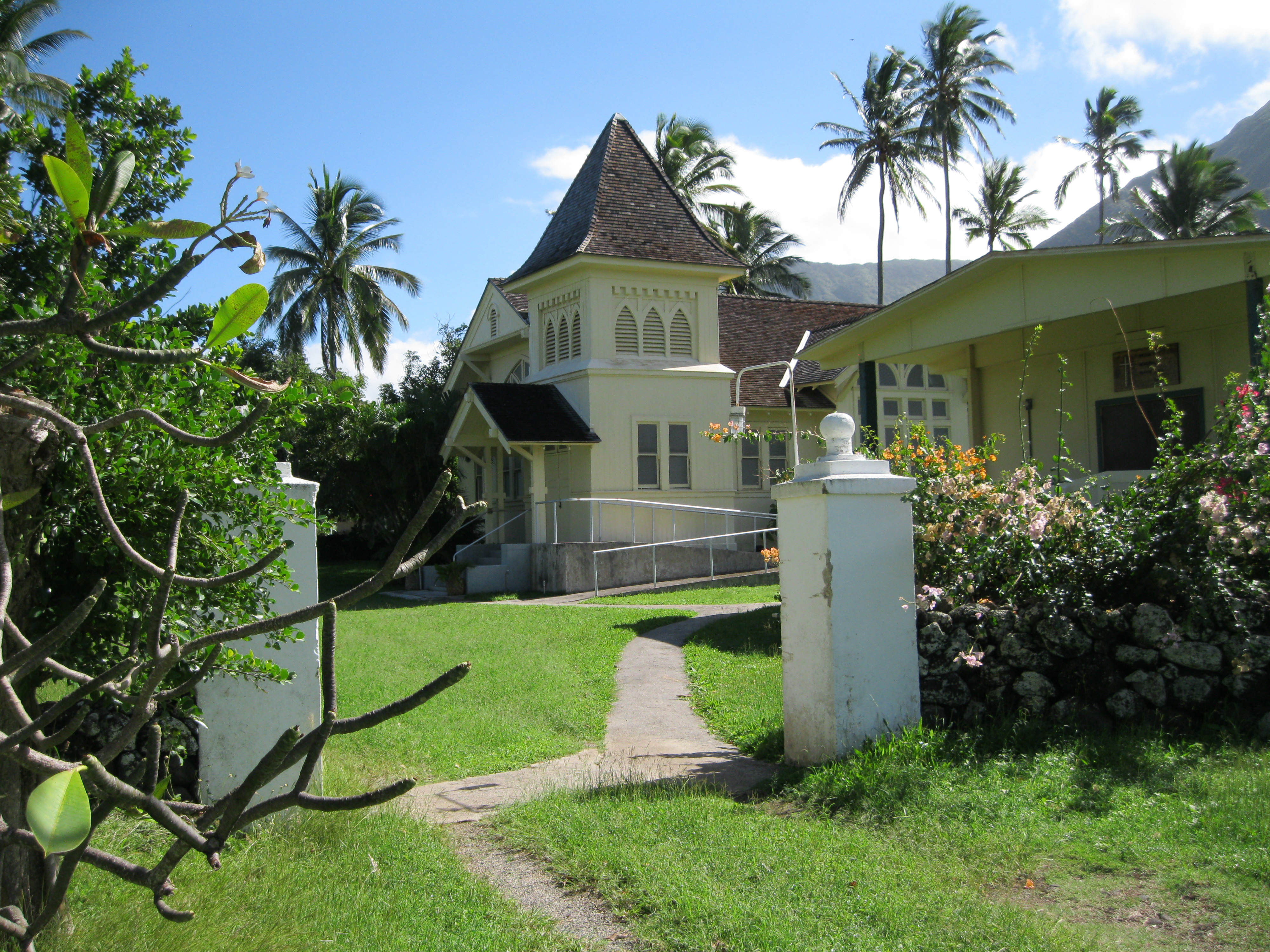
View of Kana'ana Hou Church through gates
Religion was a prominent part of patients' lives at Kalaupapa. Protestant, Catholic, and Mormon churches were established at both Kalawao and Kalaupapa settlements.
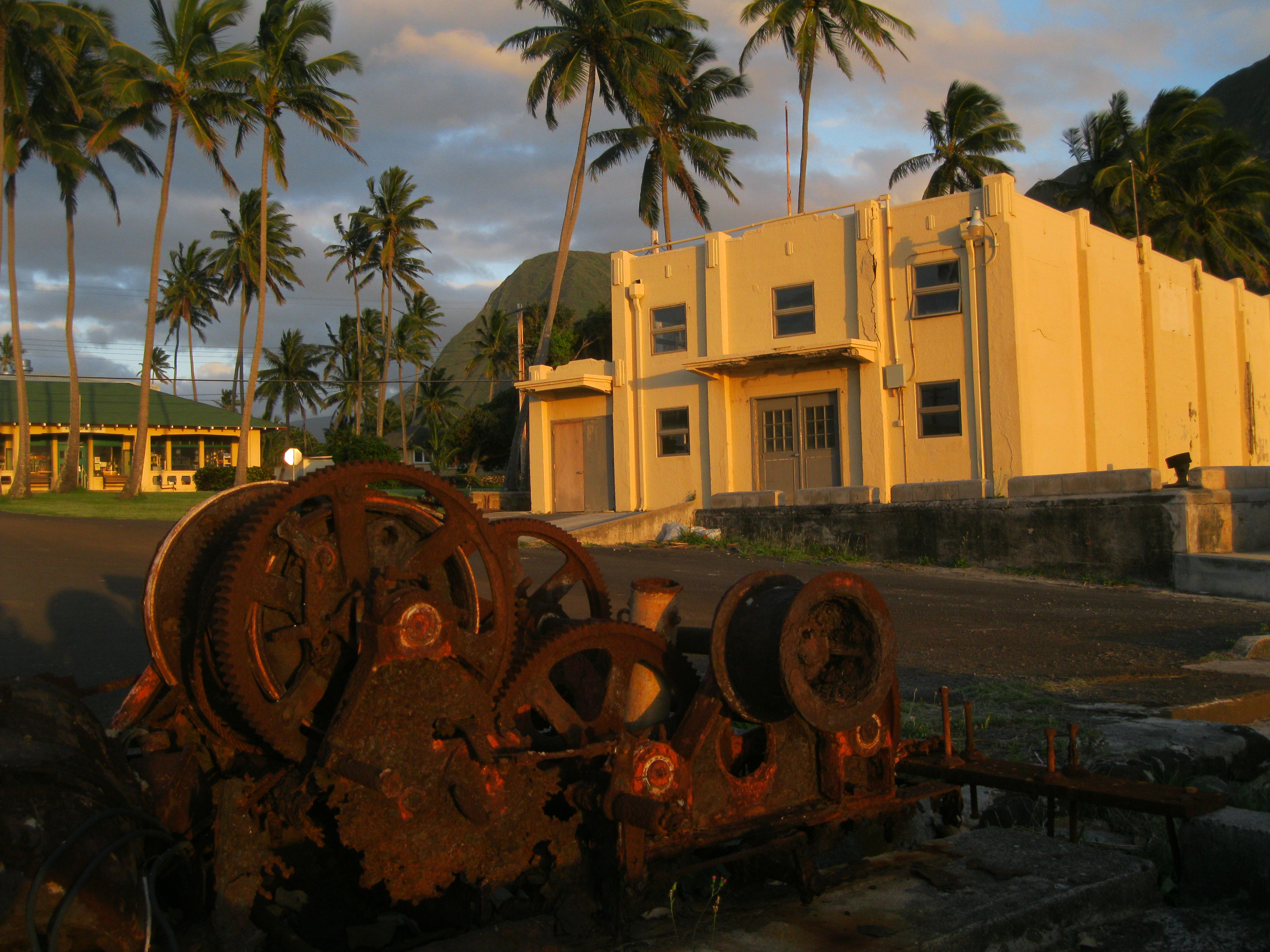
View of warehouse and store at the Kalaupapa Pier
The Kalaupapa Pier, warehouse, and store were the lifeline of the settlement during the 20th century. Historically, shipments of goods and supplies were sent to Kalaupapa weekly.

Activities

  • Guided Tours
  • Living History
  • Museum Exhibits