National Monument · SD

Jewel Cave National Monument

Immerse yourself in one of the longest caves in the world. With over 220 miles of mapped and surveyed passages, this underground wilderness appeals to human curiosity. Its splendor is revealed through fragile formations and glimpses of brilliant color. Its maze of passages lures explorers, and its scientific wealth remains a mystery. This resource is truly a jewel in the National Park Service.

nps.gov ↗

Photos

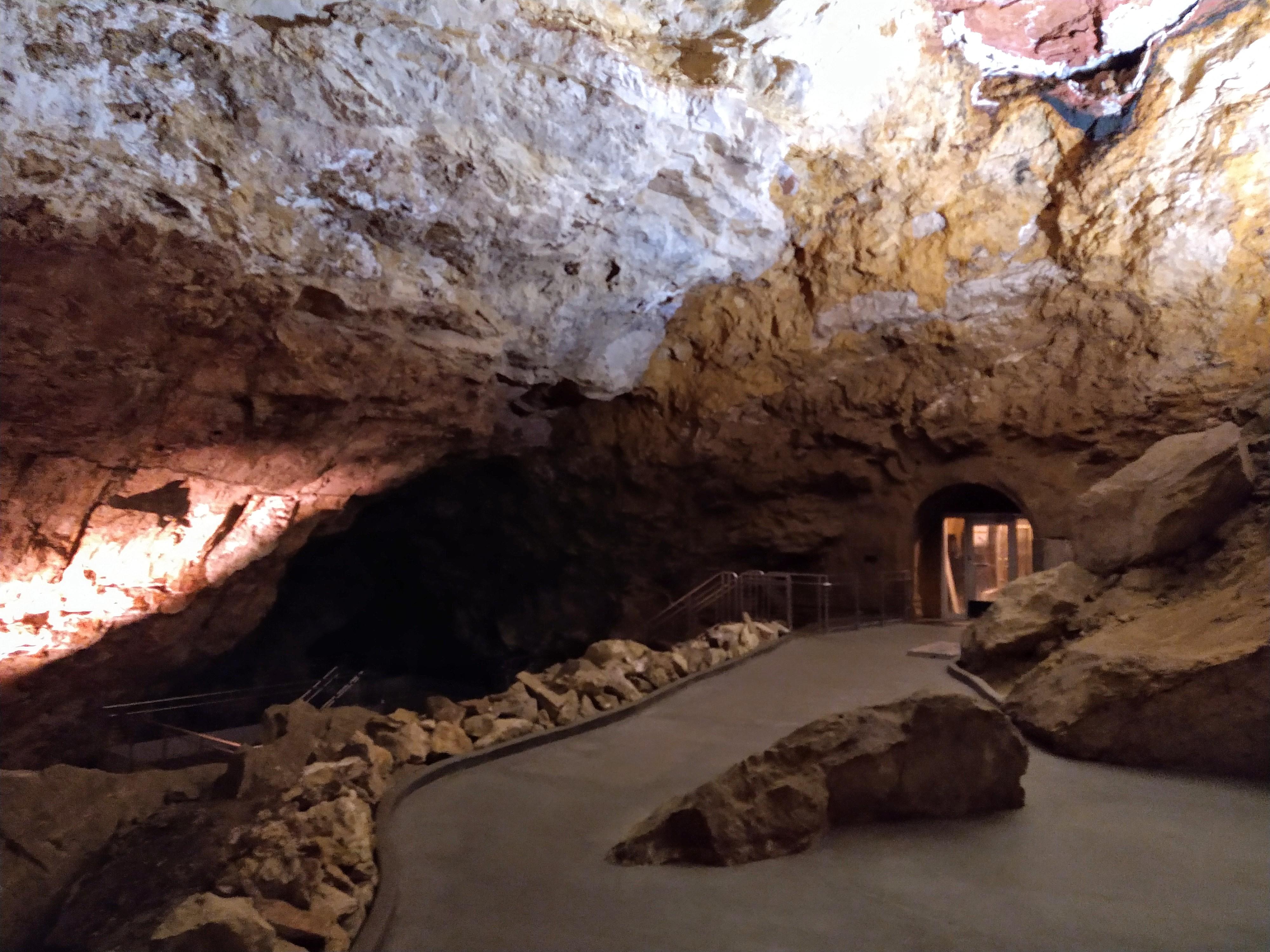
The target room inside Jewel Cave.
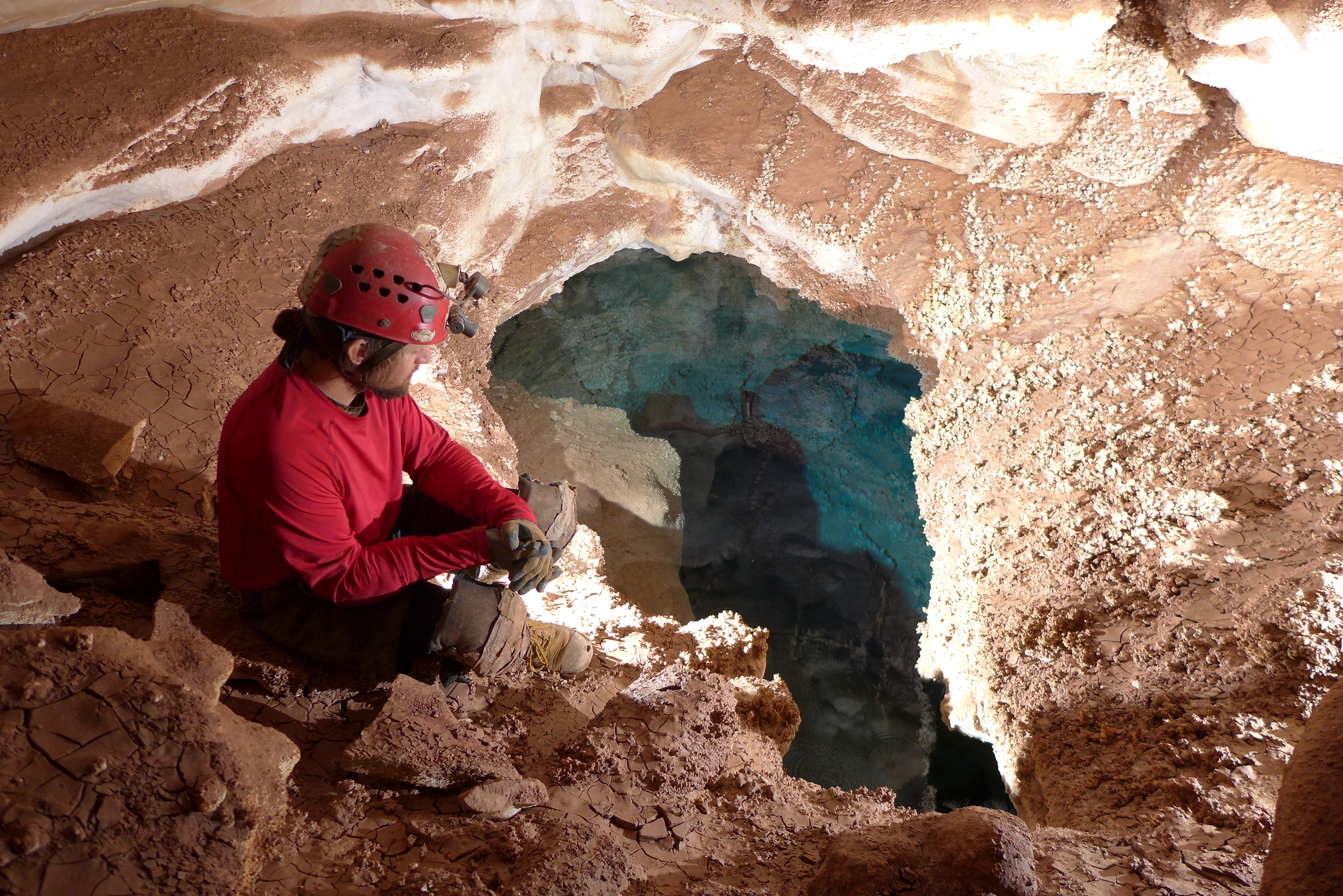
A cave explorer sits on some rocks and looks at a clear blue lake in Jewel Cave.
Volunteer cave explorers discovered Hourglass Lake in October 2015, the first sizable body of water found within Jewel Cave.
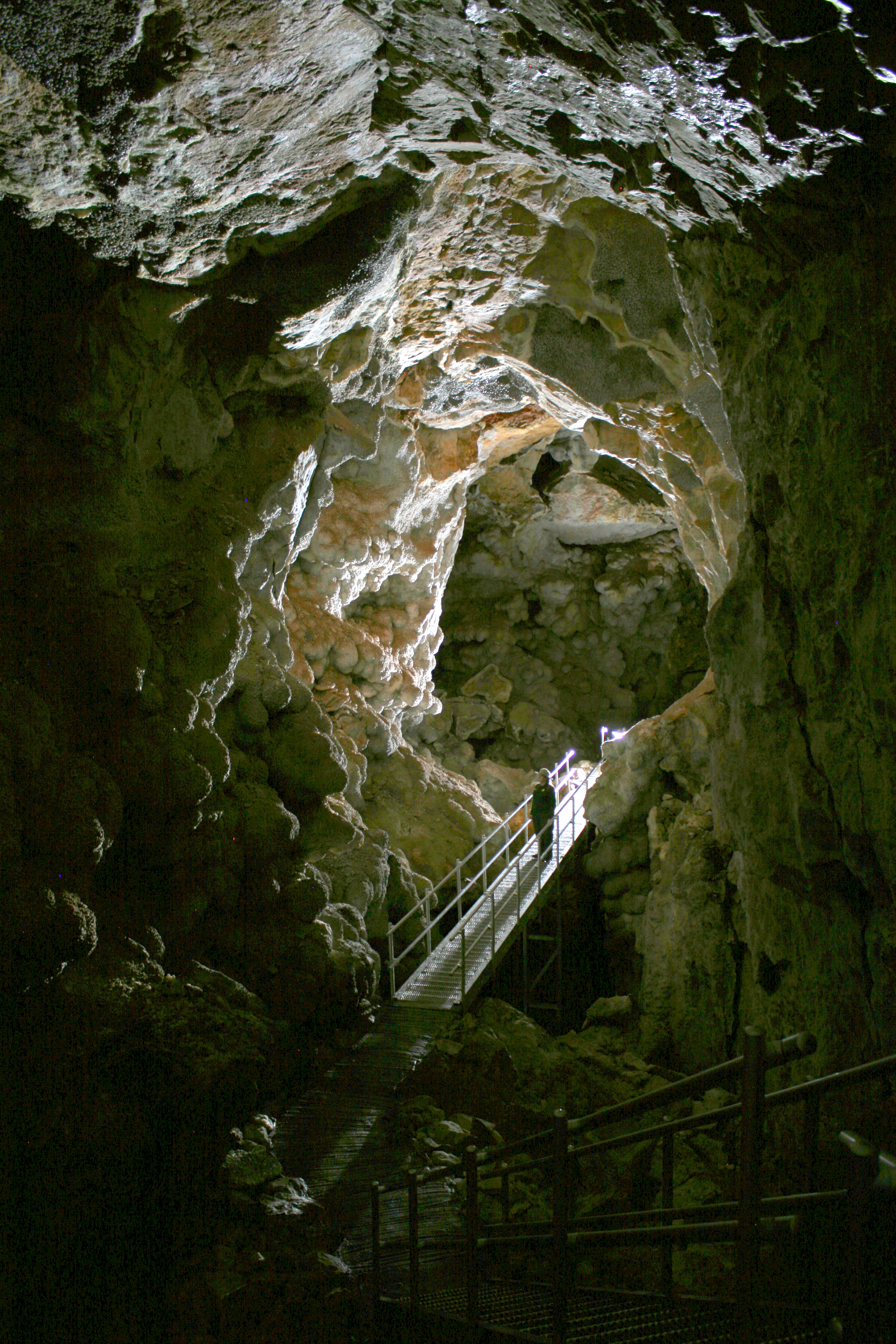
A park ranger is standing on a metal platform within a long passageway with a vaulted ceiling.
The Inner Sanctum is one of the longest and largest passageways along the Scenic Tour route, located near the Torture Room.
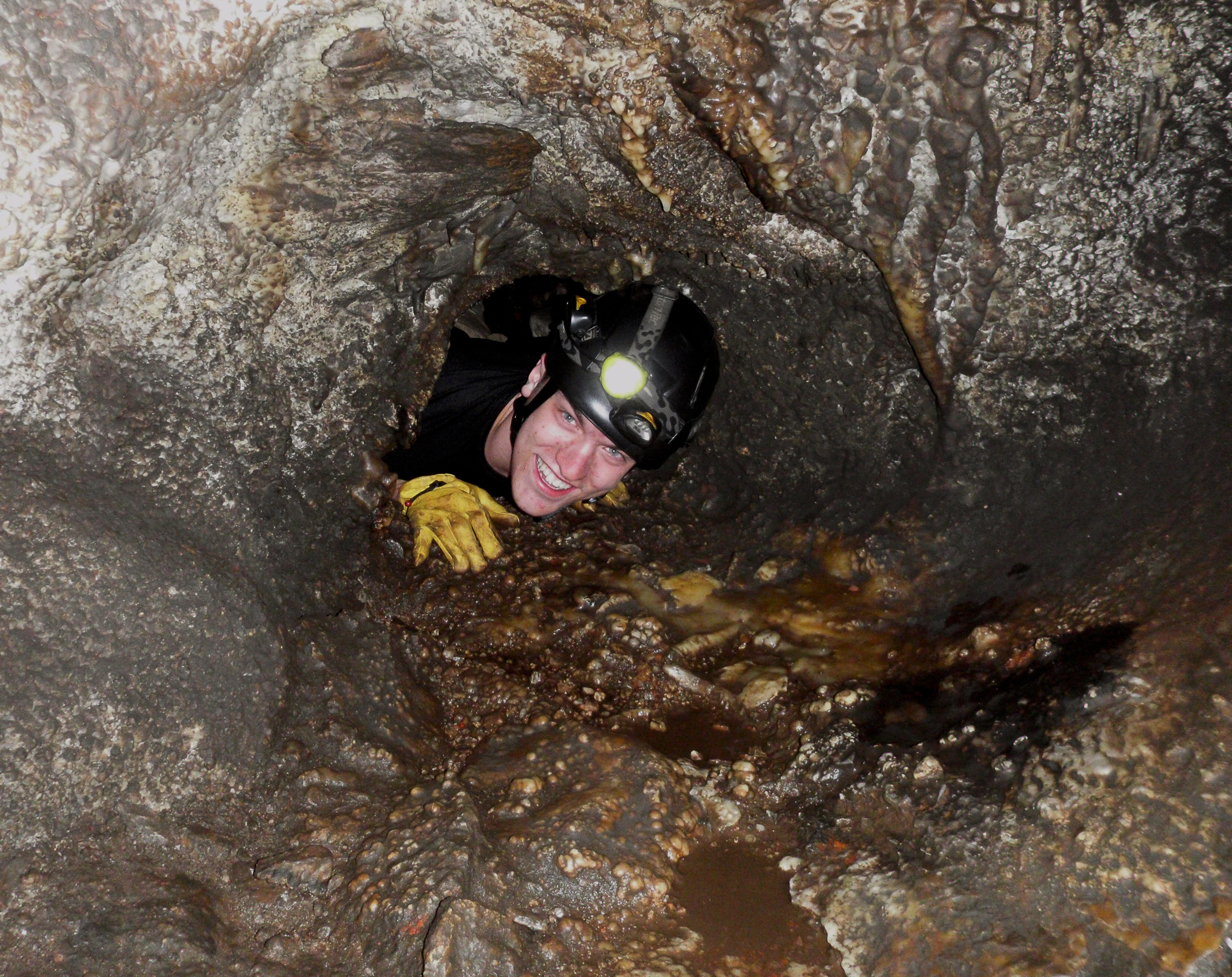
A caver squeezes through a very small and tight opening, surrounded by multi-colored rocks.
The Brain Drain is approximately eight inches high by 24 inches wide and is the tightest passage on the Wild Caving Tour.
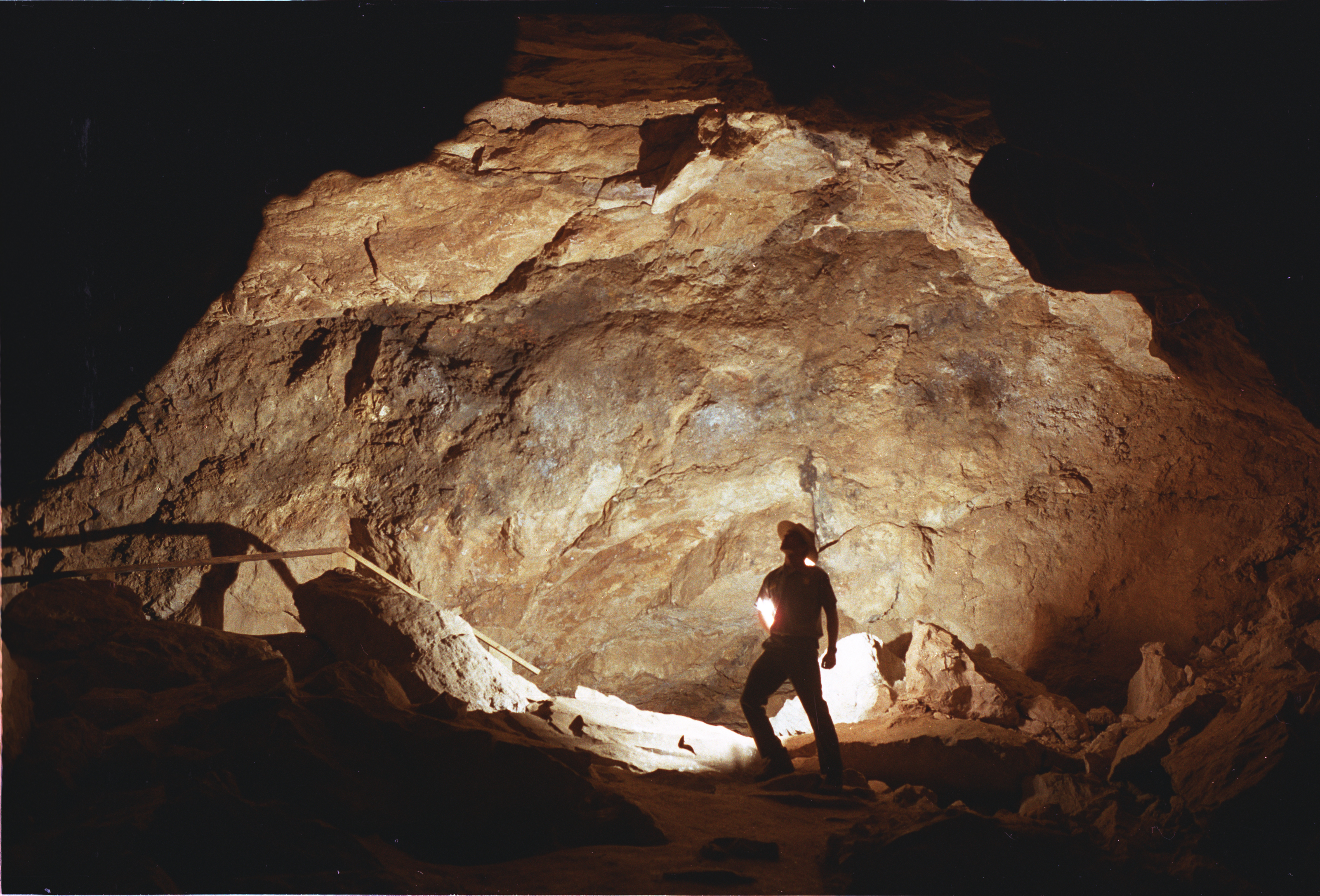
A park ranger stands as a silhouette in a large room in Jewel Cave.
The Heavenly Room is a large room along the Historic Lantern Tour within the historic entrance of Jewel Cave.
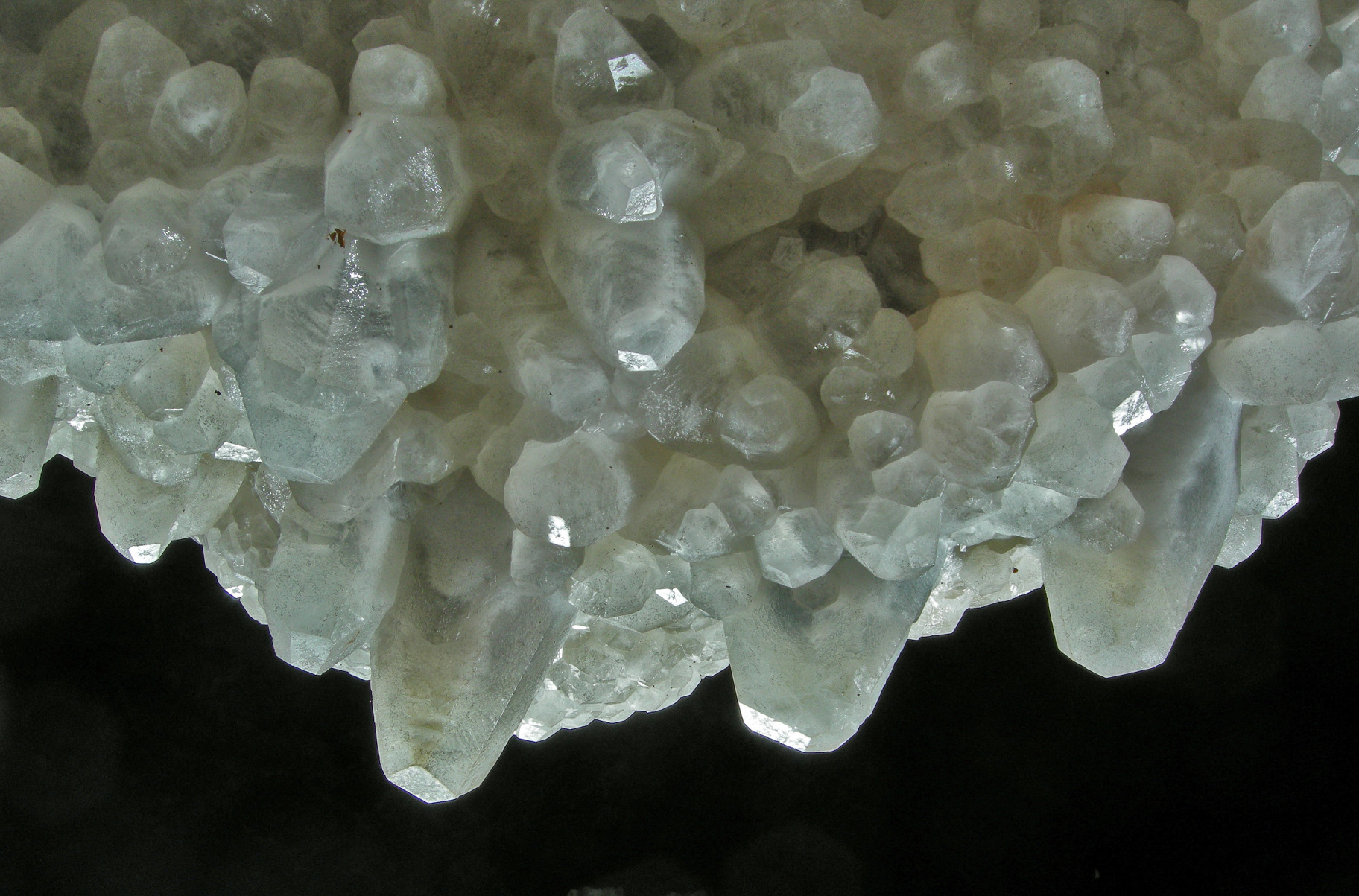
White-colored crystals with blunt tips sparkle against a black background.
Calcite crystals, such as nailhead spar, cover most of the walls, ceilings, and floors within Jewel Cave.
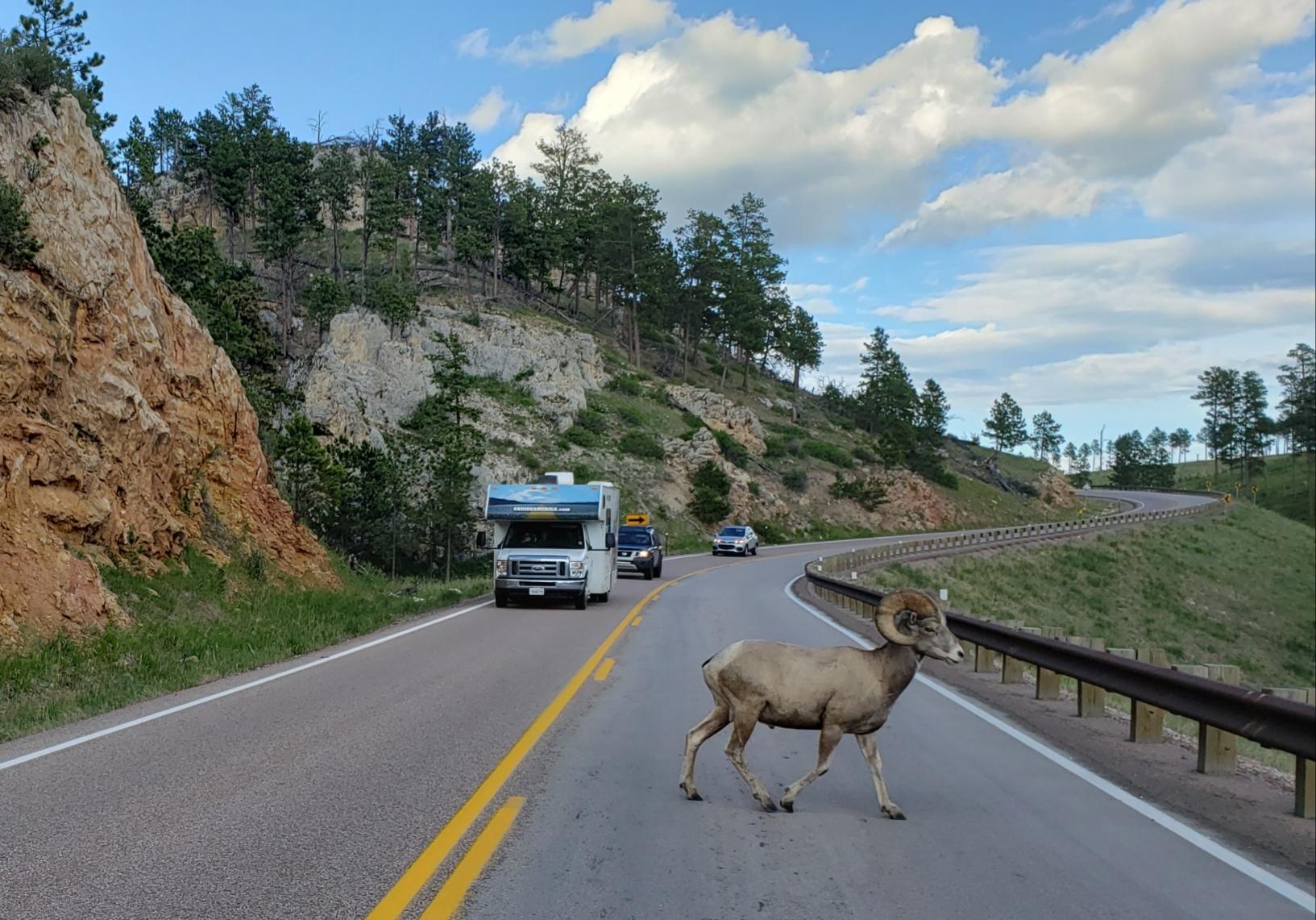
A bighorn sheep ram stands in the highway, with a camper stopped in the other lane.
Rocky mountain bighorn sheep are commonly seen within the monument, usually along Highway 16.
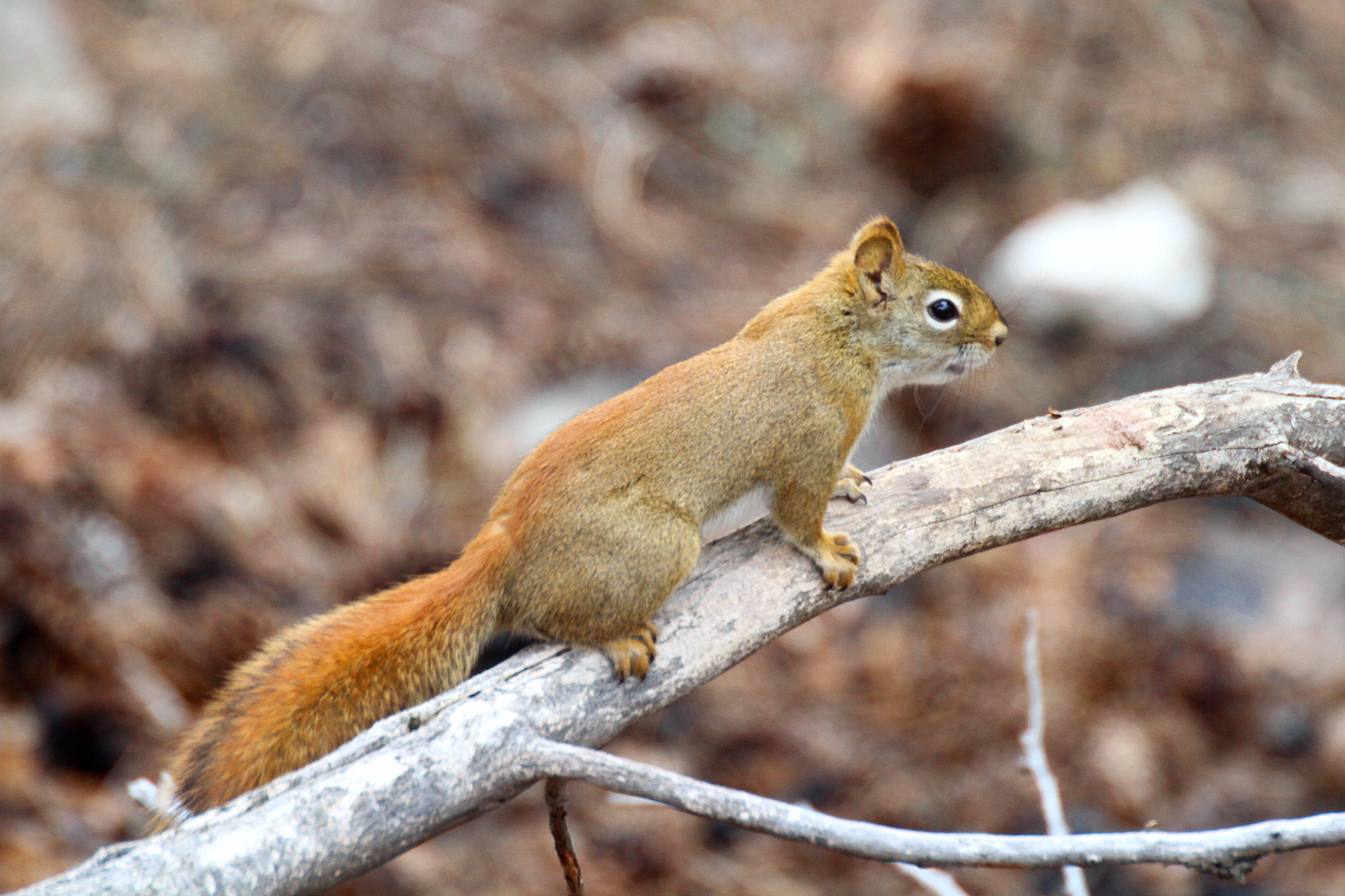
A small red squirrel stands on a dead pine branch.
Red squirrels are commonly observed along the Roof Trail near the visitor center.
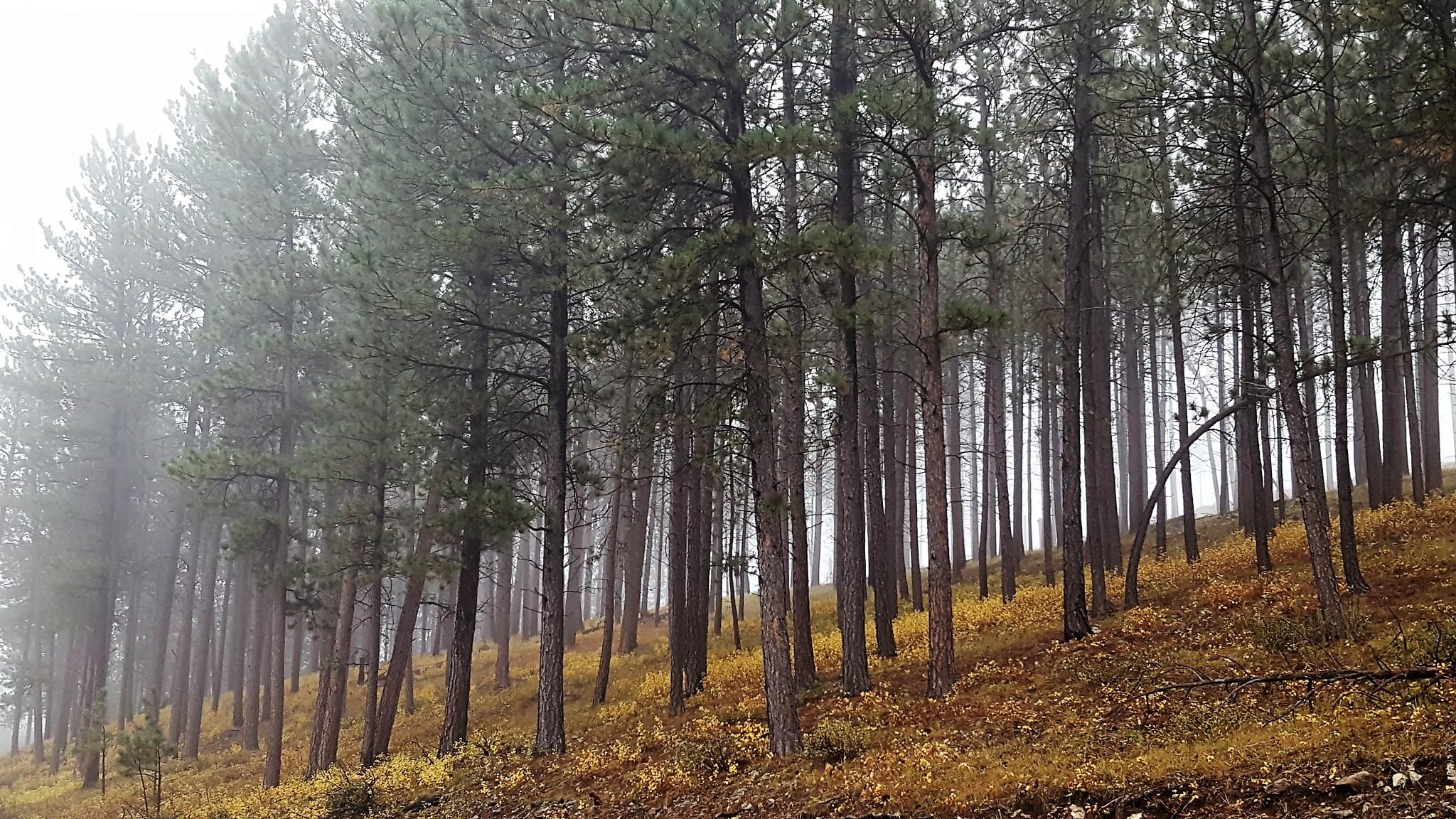
Fog filters through a stand of pine trees, with red and yellow foliage on the forest floor.
Autumn is a beautiful time of year to visit the monument. The colors of fall are often the best during mid to late September.
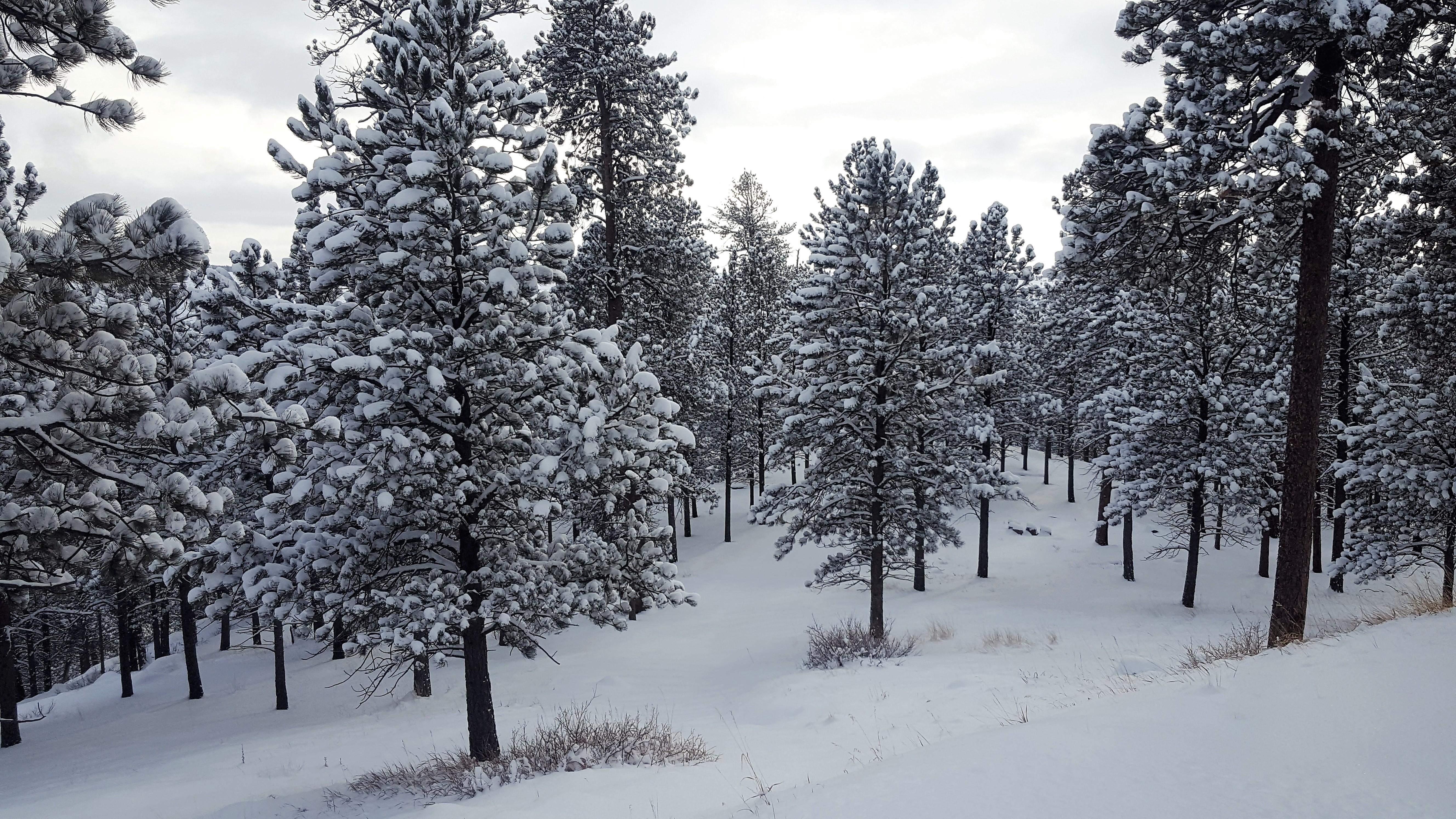
Snow covers the ground and flocks pine trees.
Although a "slower" time of year, the winter season offers some of the best scenery of the ponderosa pine forest.
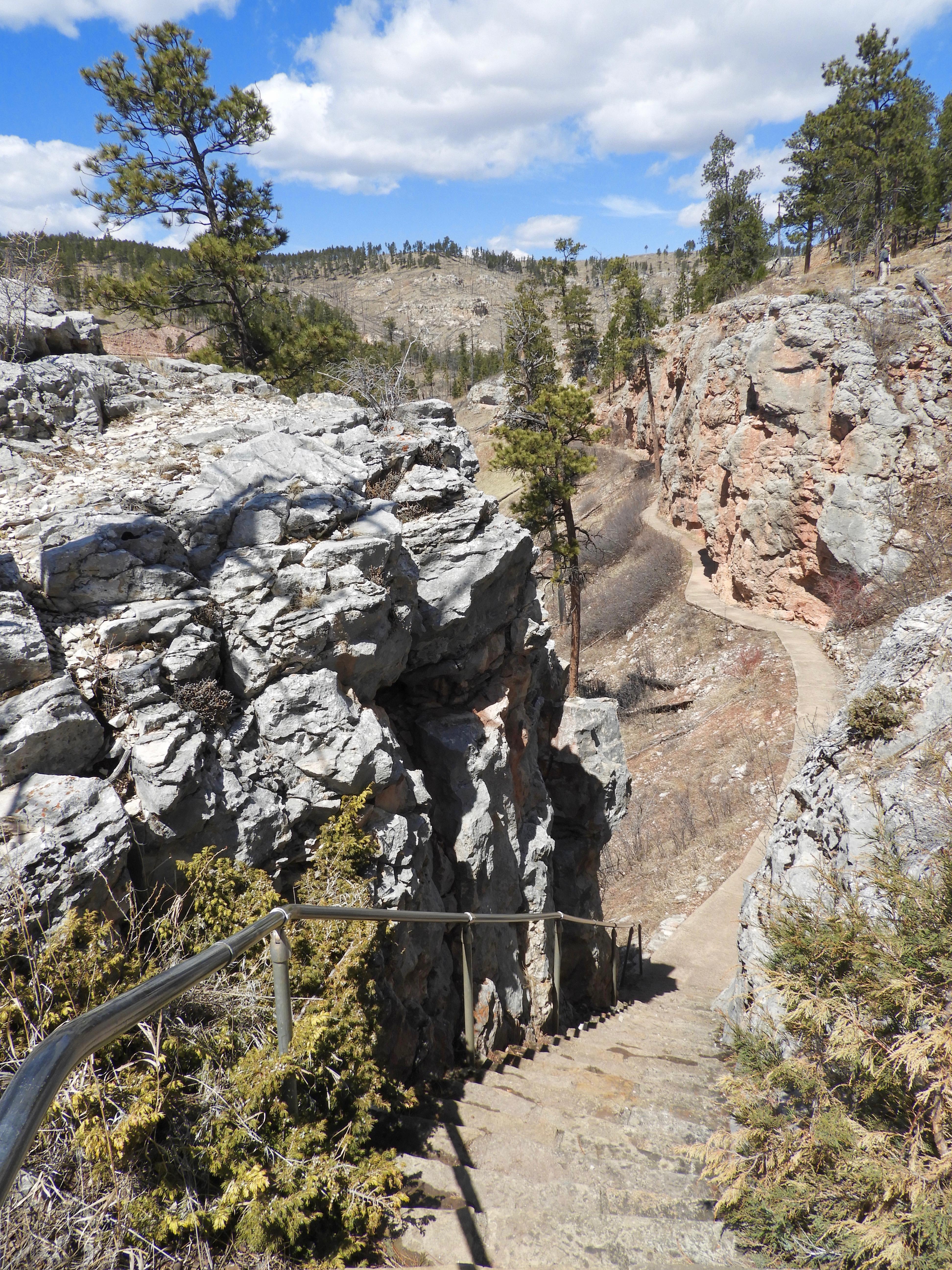
A paved path with steps heads down a hillside, with rock overhangs and pine trees nearby.
A portion of the Canyons Trail passes the historic entrance of Jewel Cave, with breathtaking views of nearby Hell Canyon.
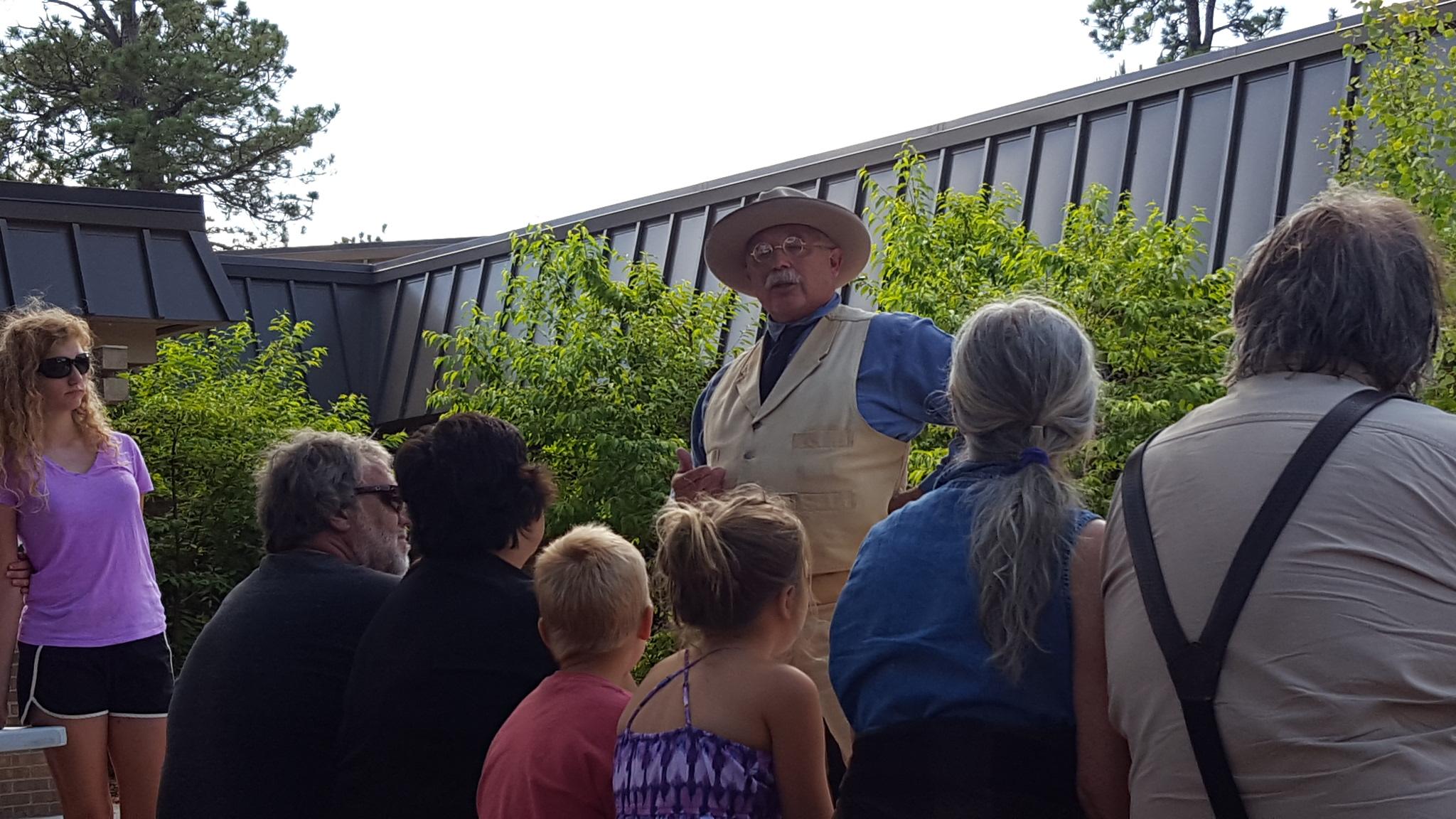
A look-alike Theodore Roosevelt speaks to visitors on the patio of the visitor center.
The monument hosts special events each summer, such as living history presentations of President Theodore Roosevelt.
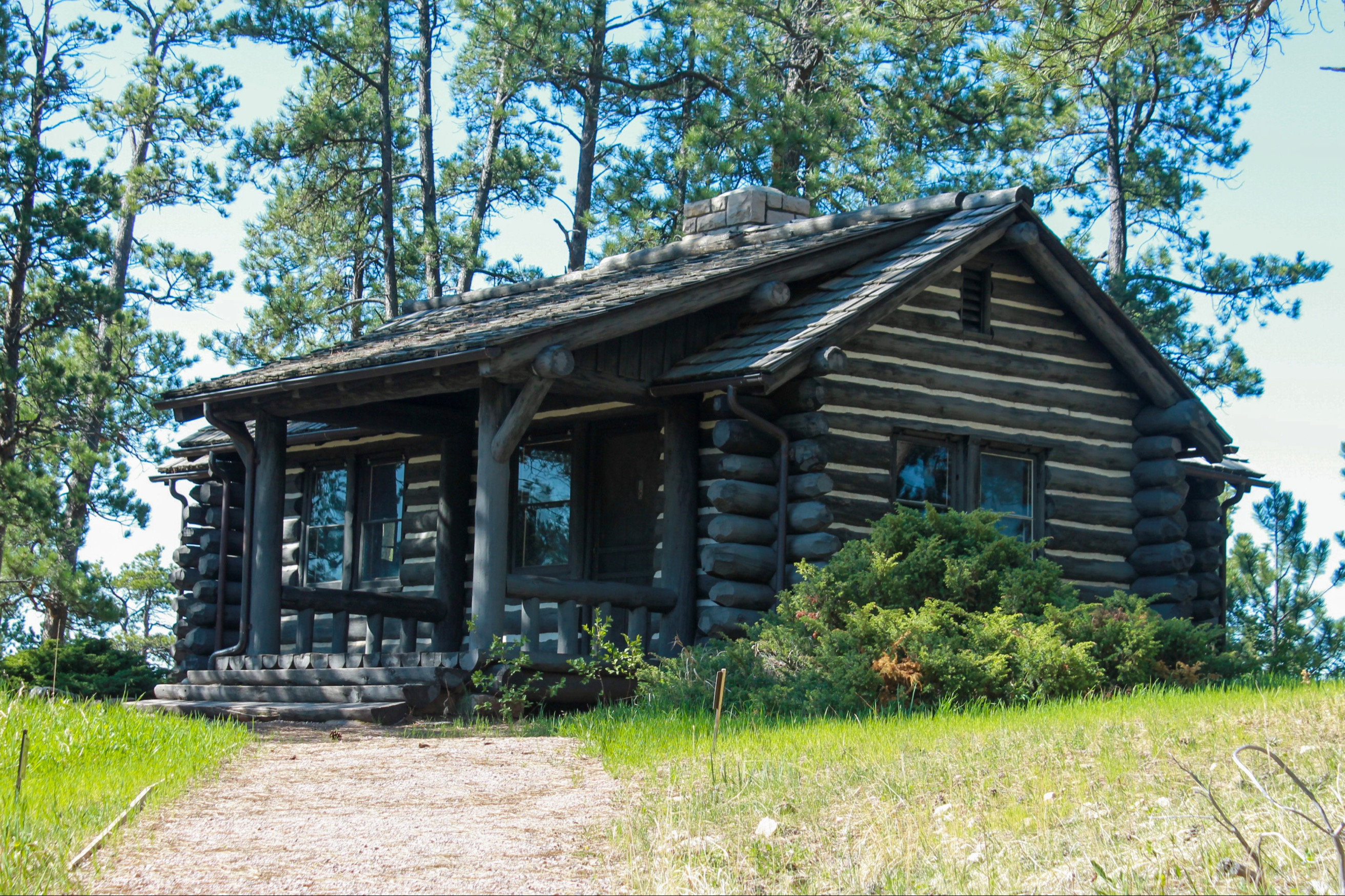
A small, dark-brown cabin sits on top of a hill with a walking path leading to its front porch.
The original park ranger cabin, built during the 1930s, is available for public access during the summer and early fall seasons.
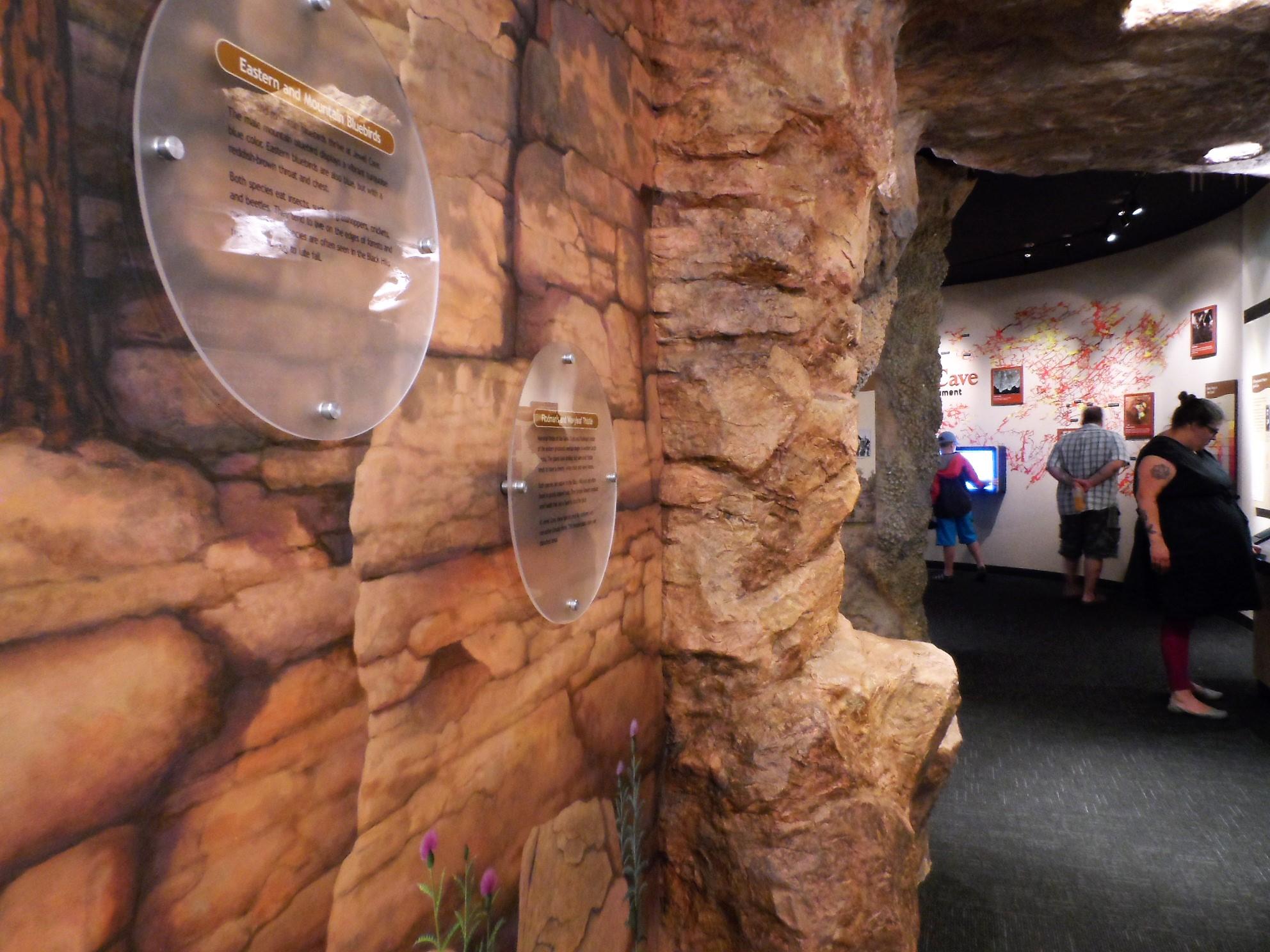
A wall mural showing red-colored rock transitions into a room with a large cave map on the wall.
The visitor center provides several engaging exhibits and displays about the resources within the monument.
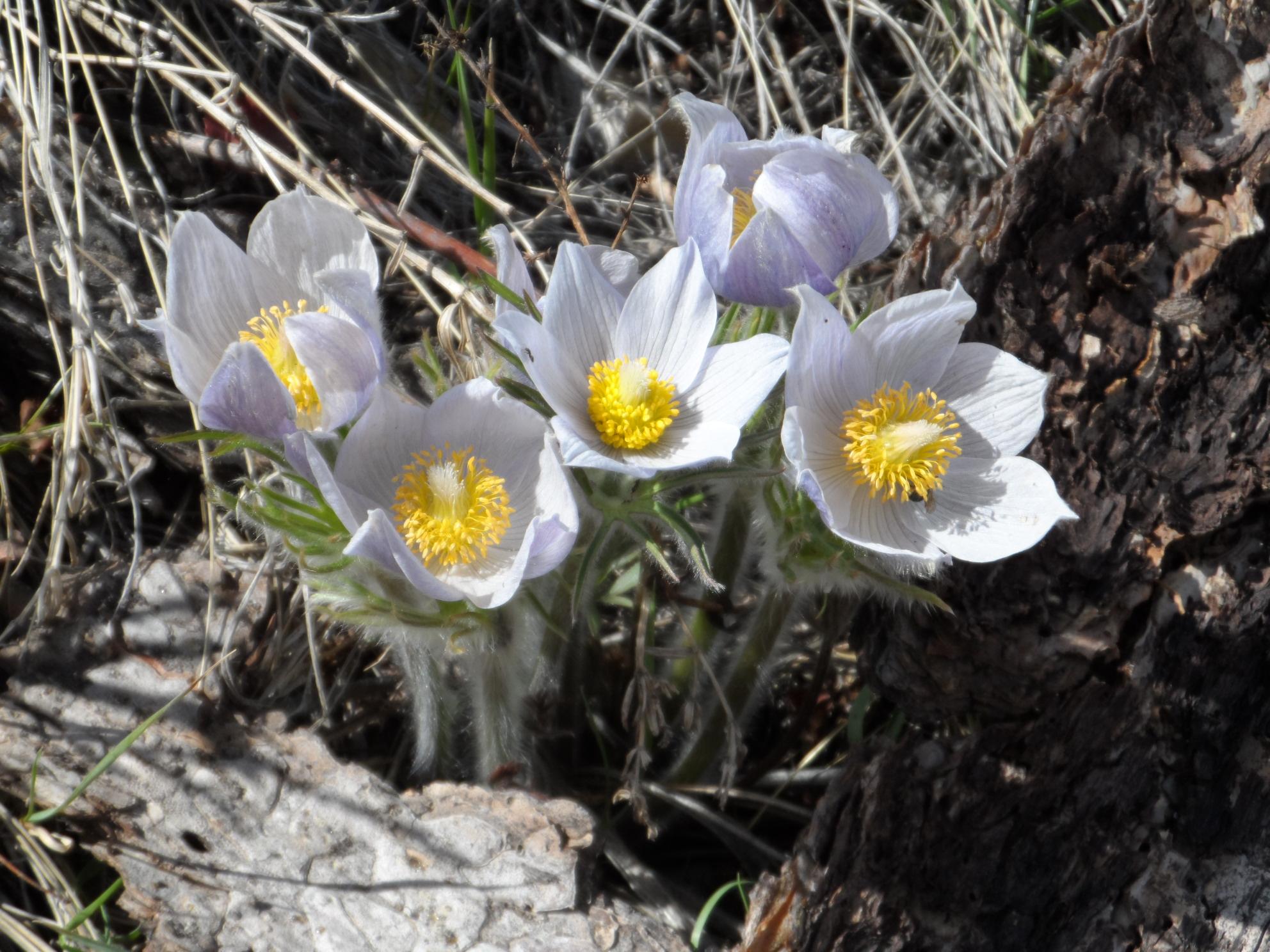
White to light purple flowers with yellow centers poke through pine needles.
Jewel Cave is home to several species of wildflowers, such as the South Dakota State Flower - the pasque flower.
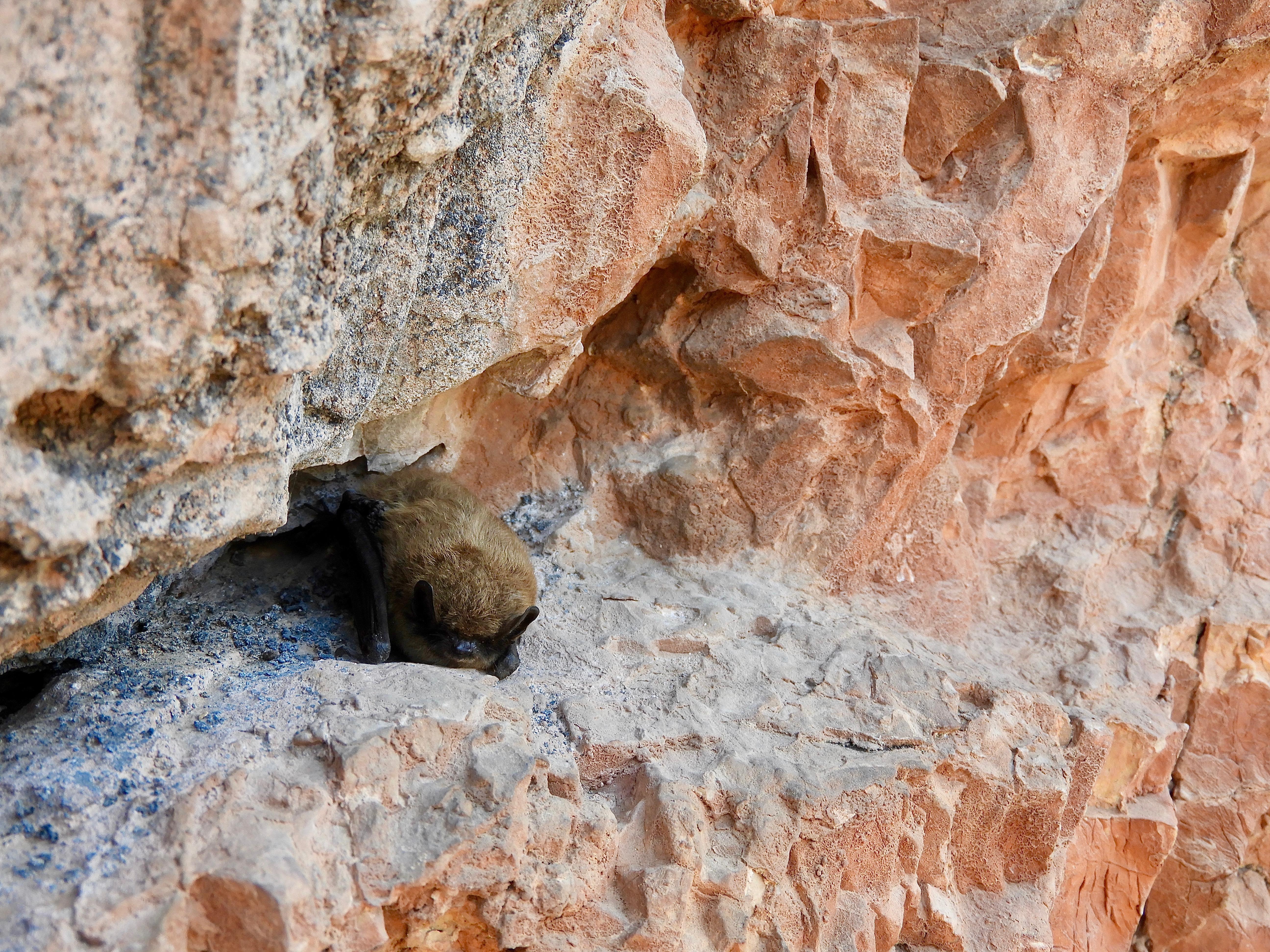
A small brown bat rests on a red-orange colored rock.
Nine species of bats live within Jewel Cave National Monument. At times, visitors may see bats outside the historic entrance.

Activities

  • Caving
  • Guided Tours
  • Hiking
  • Junior Ranger Program
  • Snowshoeing
  • Wildlife Watching
  • Birdwatching
  • Park Film
  • Shopping
  • Bookstore and Park Store