National Monument · GA

Fort Pulaski National Monument

For much of the 19th century, masonry fortifications were the United States’ main defense against overseas enemies. However, during the Civil War, new technology proved its superiority over these forts. Using rifled cannons, the U.S. Army compelled the Confederate garrison inside Fort Pulaski to surrender. The siege was a landmark experiment in the history of military science and invention.

nps.gov ↗

Photos

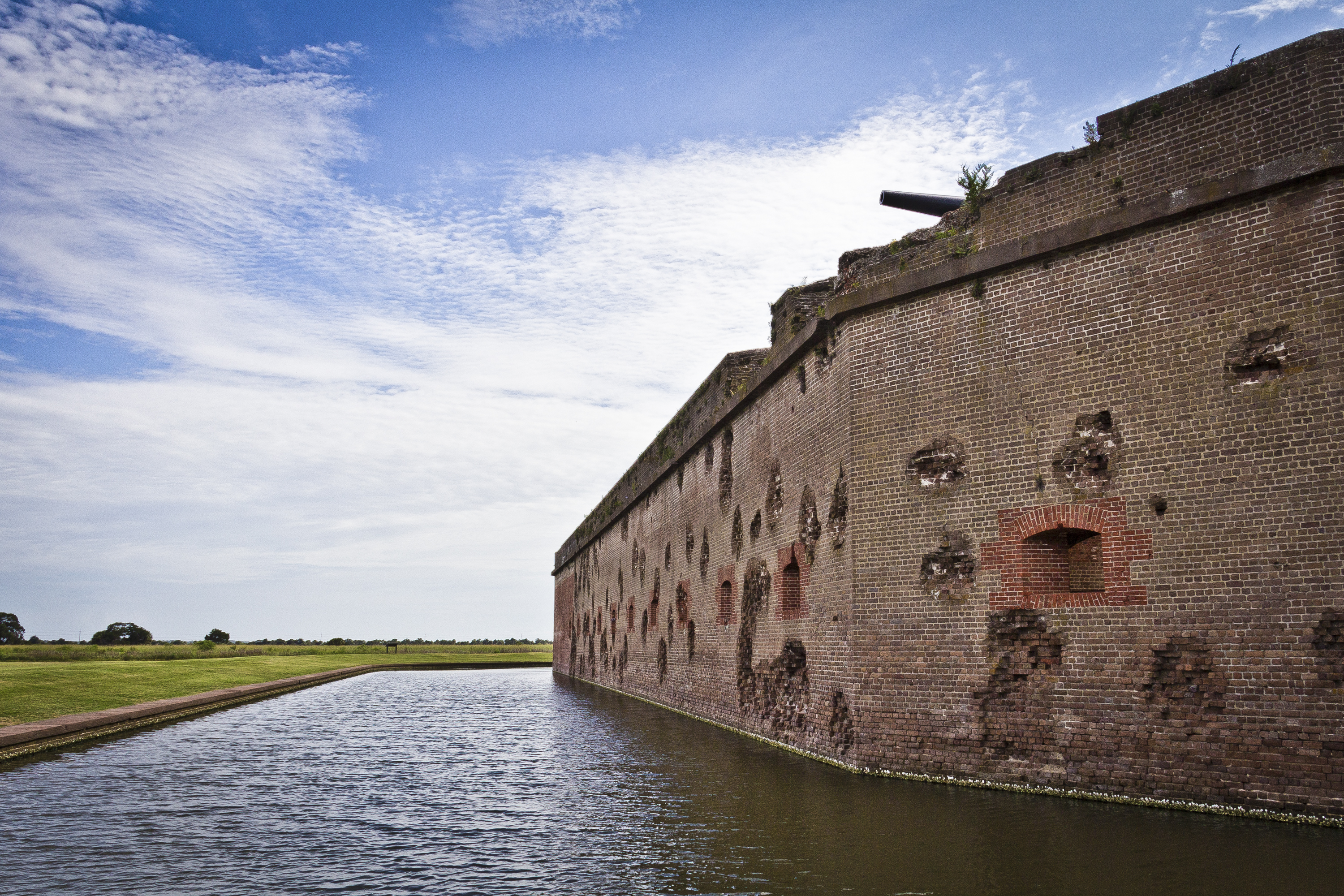
The red masonry walls of Fort Pulaski still show battle damage over 150 years later.
A walk along the outside of Fort Pulaski reveals damaged walls over 150 years after the Civil War.
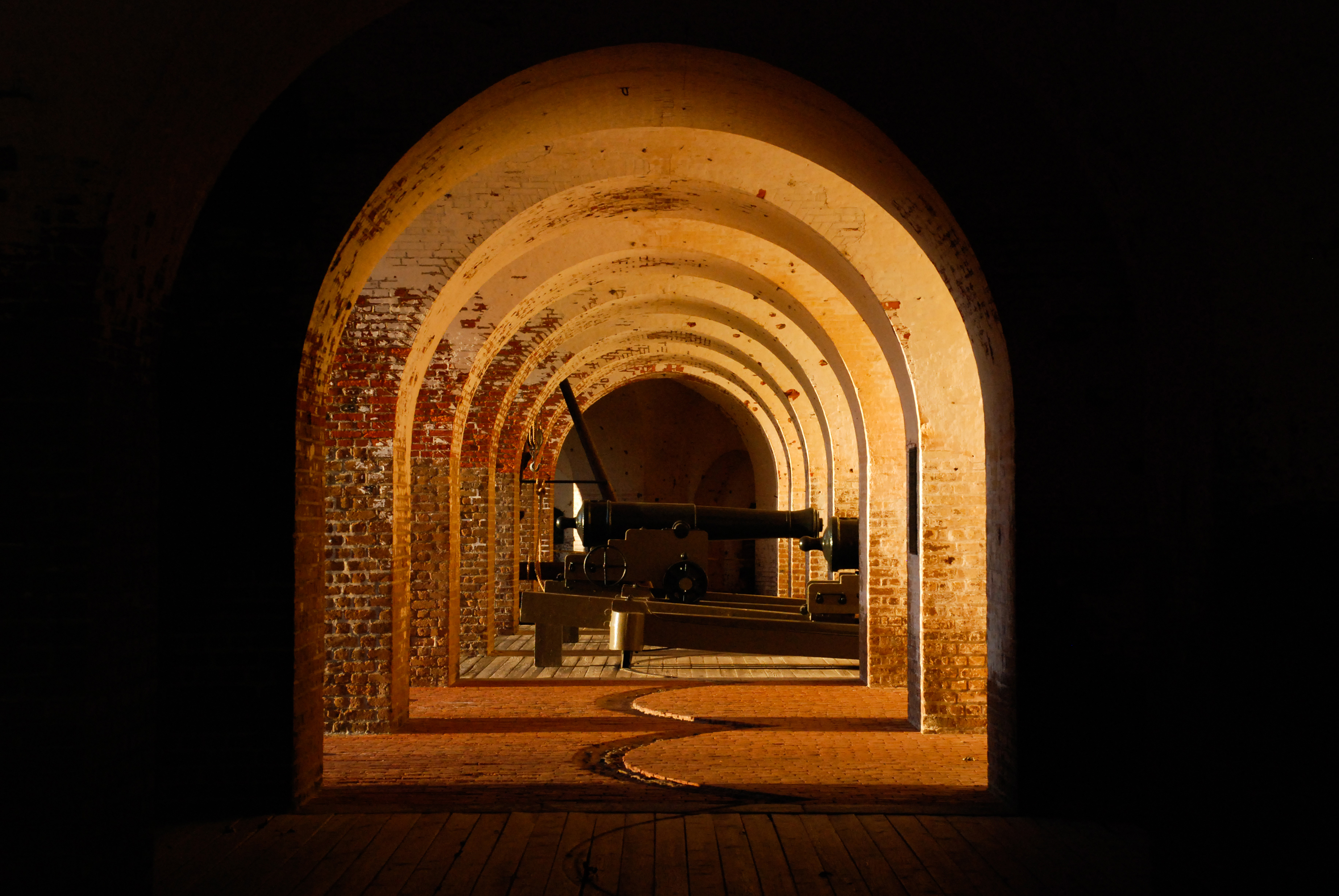
The brick of the fort glow in the late afternoon light. The arches inside the fort reveal a cannon i
Fort Pulaski shows off its classic arched architecture and cannon.
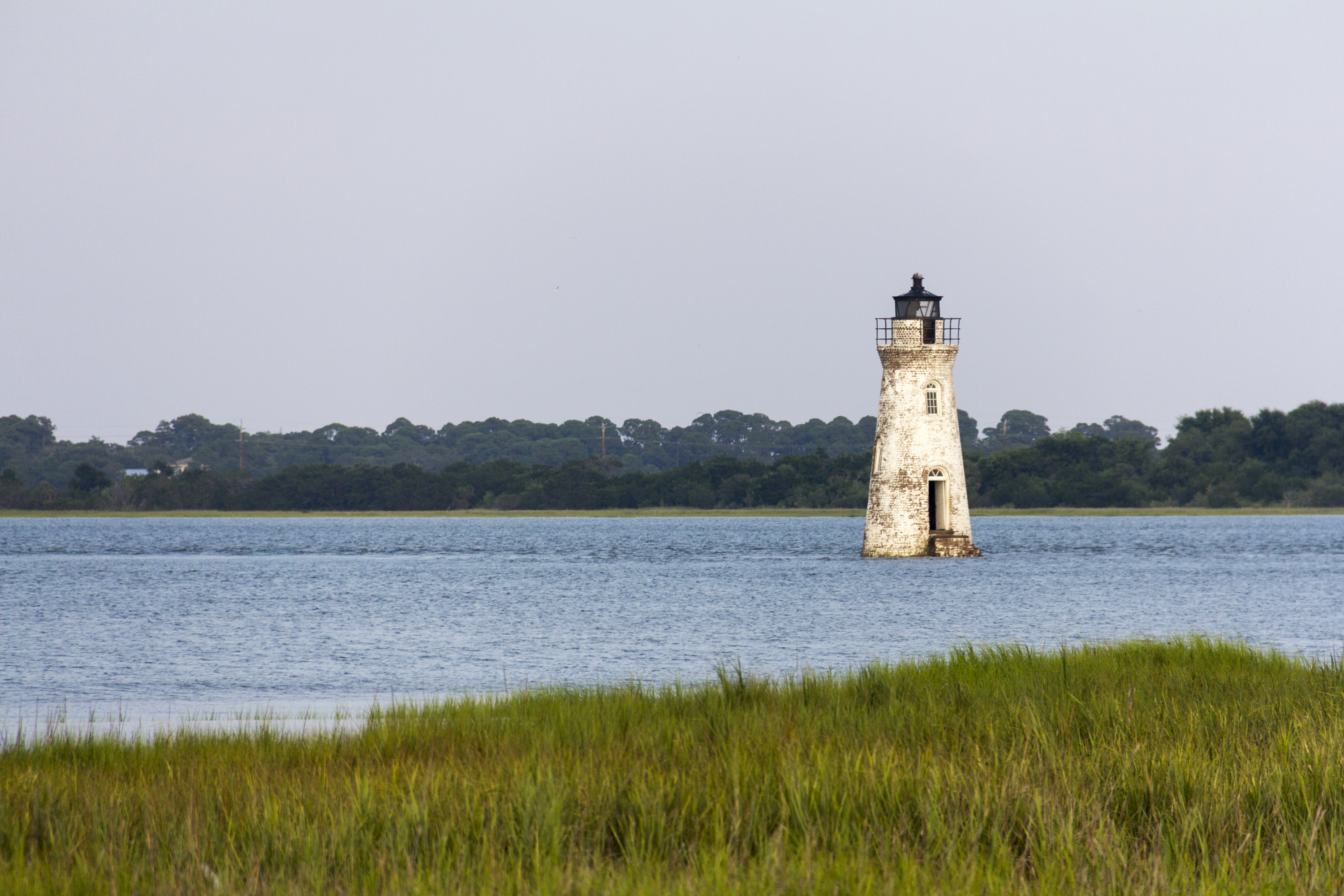
The white masonry Cockspur Island lighthouse sits in the Savannah River.
The Cockspur Island Lighthouse still stands guard over the south channel of the Savannah River and Fort Pulaski.
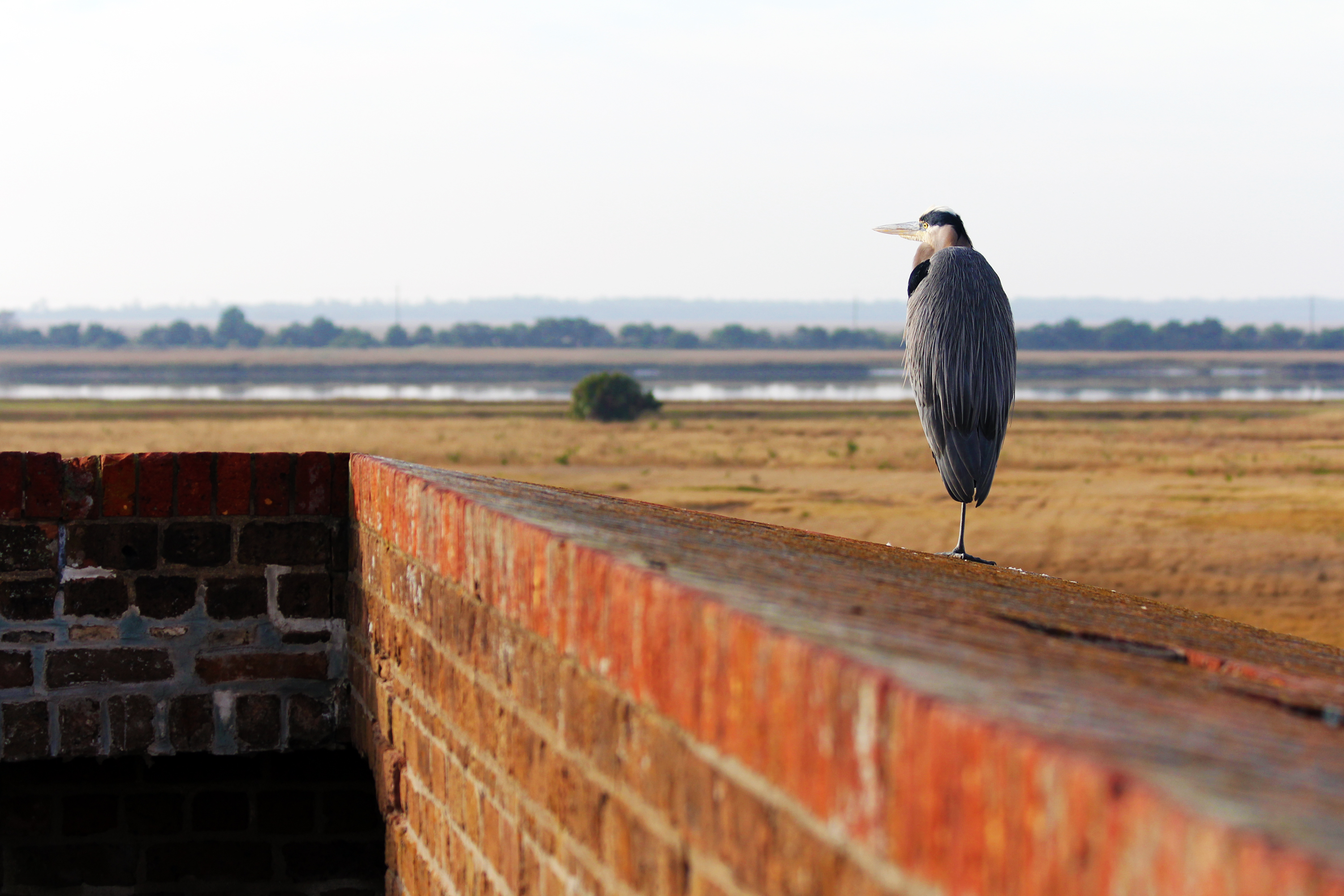
A great blue heron stands watch on top of the fort's brick walls.
A great blue heron stands on the top of Fort Pulaski like a lonely sentinel.
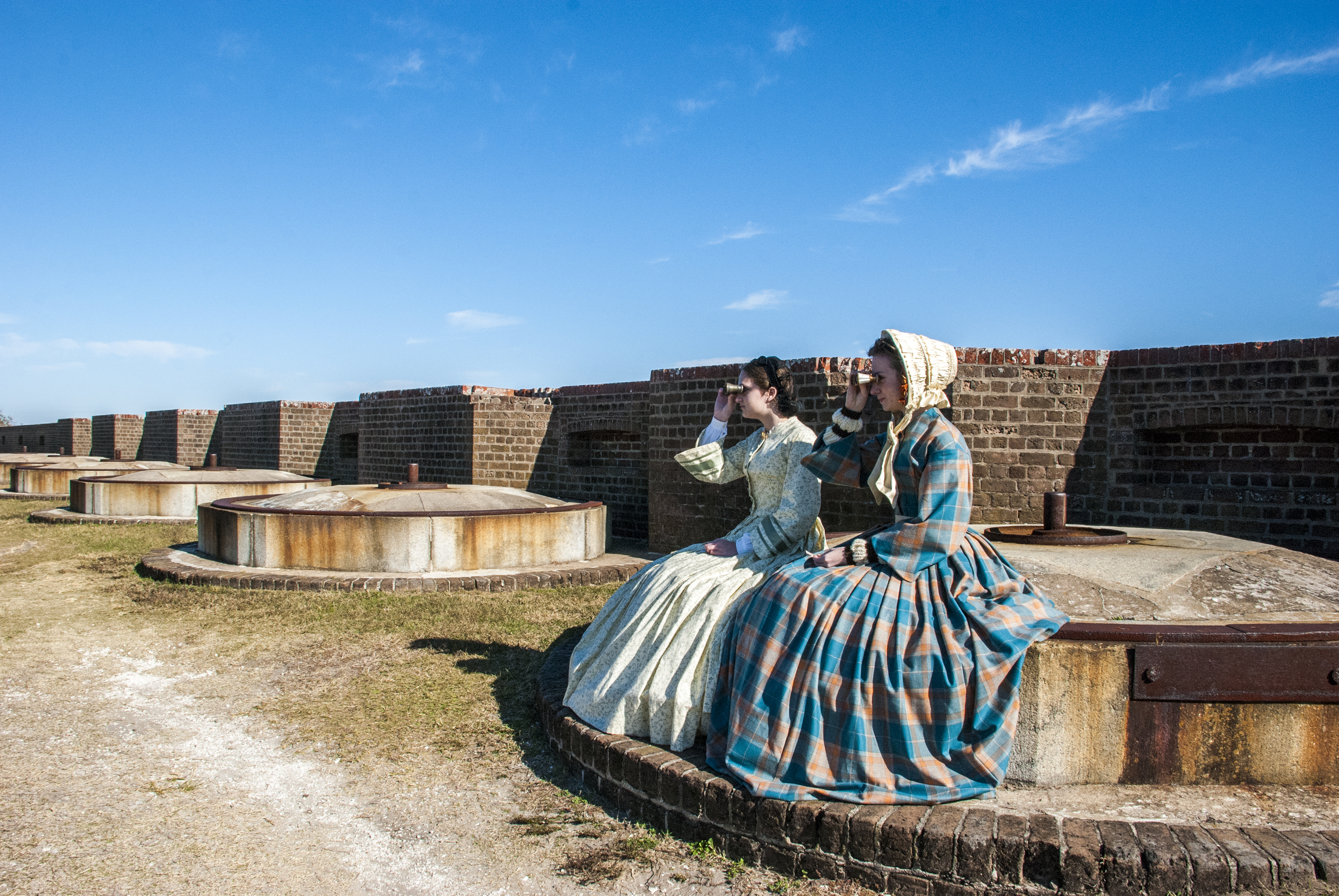
Two women dressed in mid nineteenth century civilian attire watch through looking glasses
Volunteer living historians play an important role for the National Park Service and Fort Pulaski National Monument.
The night sky is illuminated as a cannon fires at Fort Pulaski
Artillery demonstrations are an important part of the interpretation program at Fort Pulaski.

Activities

  • Biking
  • Boating
  • Fishing
  • Saltwater Fishing
  • Guided Tours
  • Self-Guided Tours - Walking
  • Hiking
  • Living History
  • Historic Weapons Demonstration
  • Paddling
  • Canoeing
  • Kayaking
  • Junior Ranger Program
  • Wildlife Watching
  • Birdwatching
  • Park Film
  • Museum Exhibits
  • Shopping
  • Bookstore and Park Store