National Historical Park · LA

Cane River Creole National Historical Park

The Cane River region is home to a unique culture; the Creoles. Generations of the same families of workers, enslaved and tenant, and owners lived on these lands for over 200 years. The park tells their stories and preserves the cultural landscape of Oakland and Magnolia Plantations, two of the most intact Creole cotton plantations in the United States.

nps.gov ↗

Photos

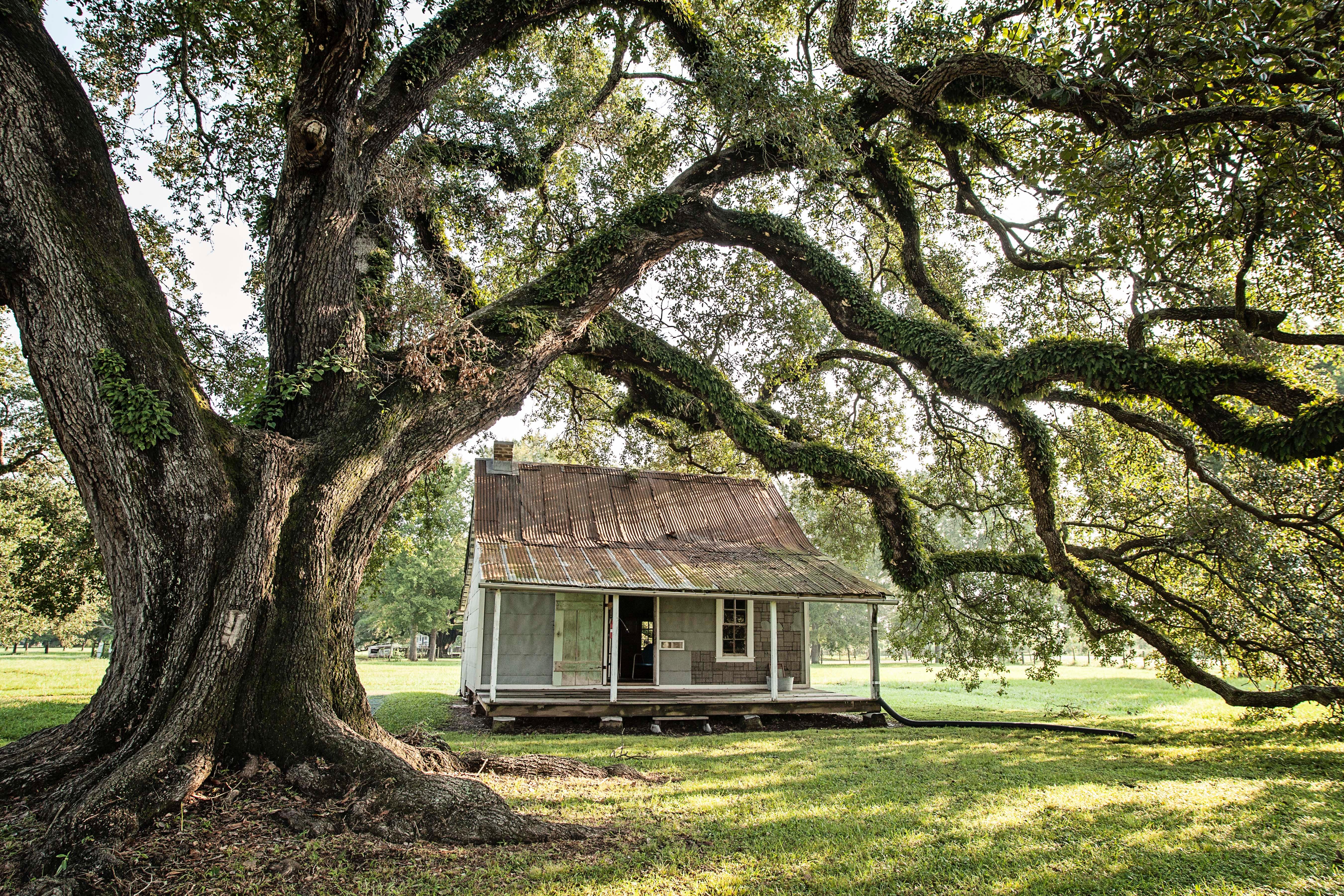
A small cabin sits beneath the branches of a Live Oak in the Oakland Plantation Quarters.
One of two remaining cabins built for enslaved workers on Oakland Plantation. The cabin was lived in by sharecroppers into the 1960s.
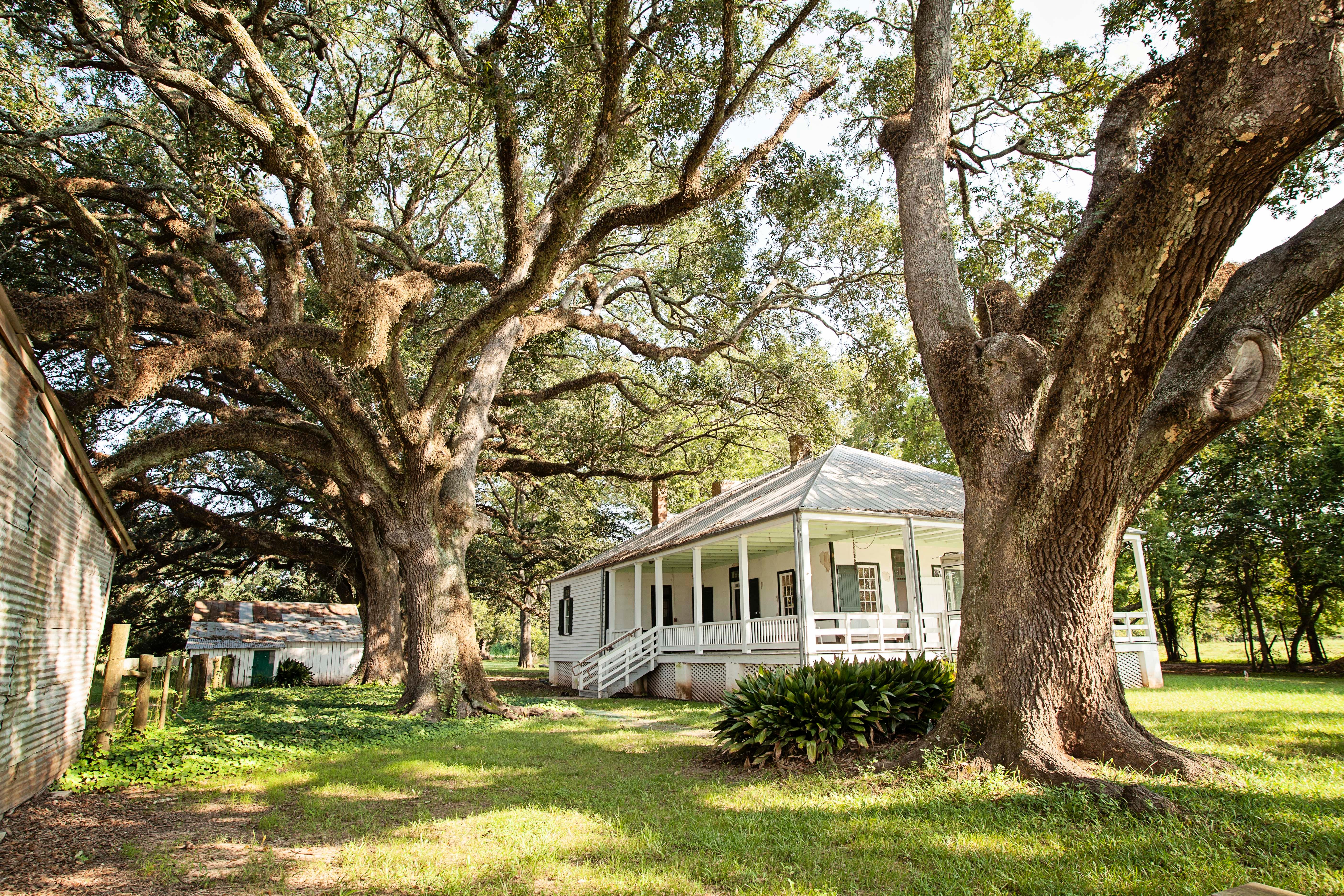
A raised Creole cottage surrounded by oak trees.
Originally built as a hospital for the enslaved workers on Magnolia Plantation, this raised Creole cottage also served as home to the plantation Overseer.
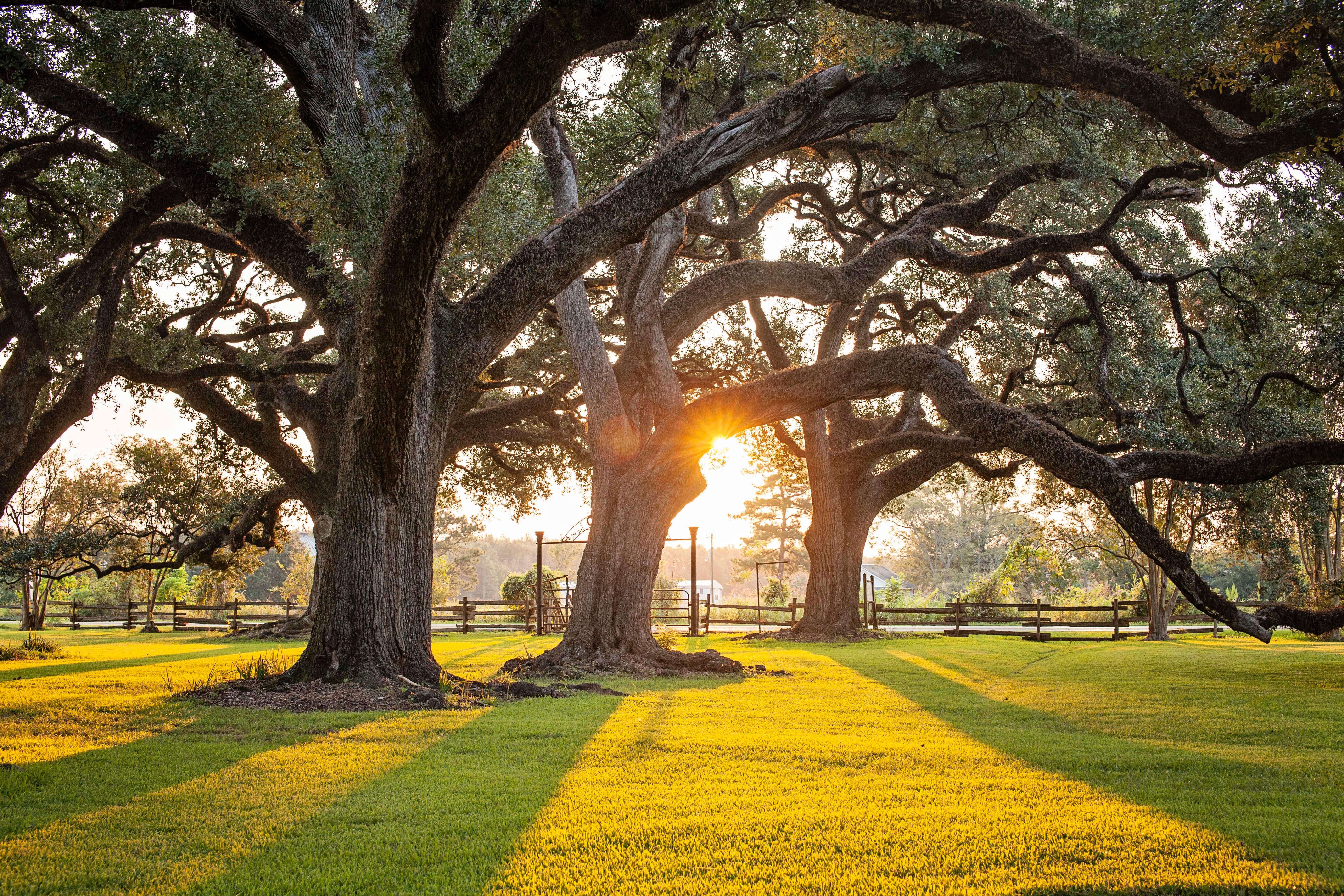
The sunrise shines through Live Oak trees at Oakland Plantation.
Live Oak trees at sunrise on Oakland Plantation.
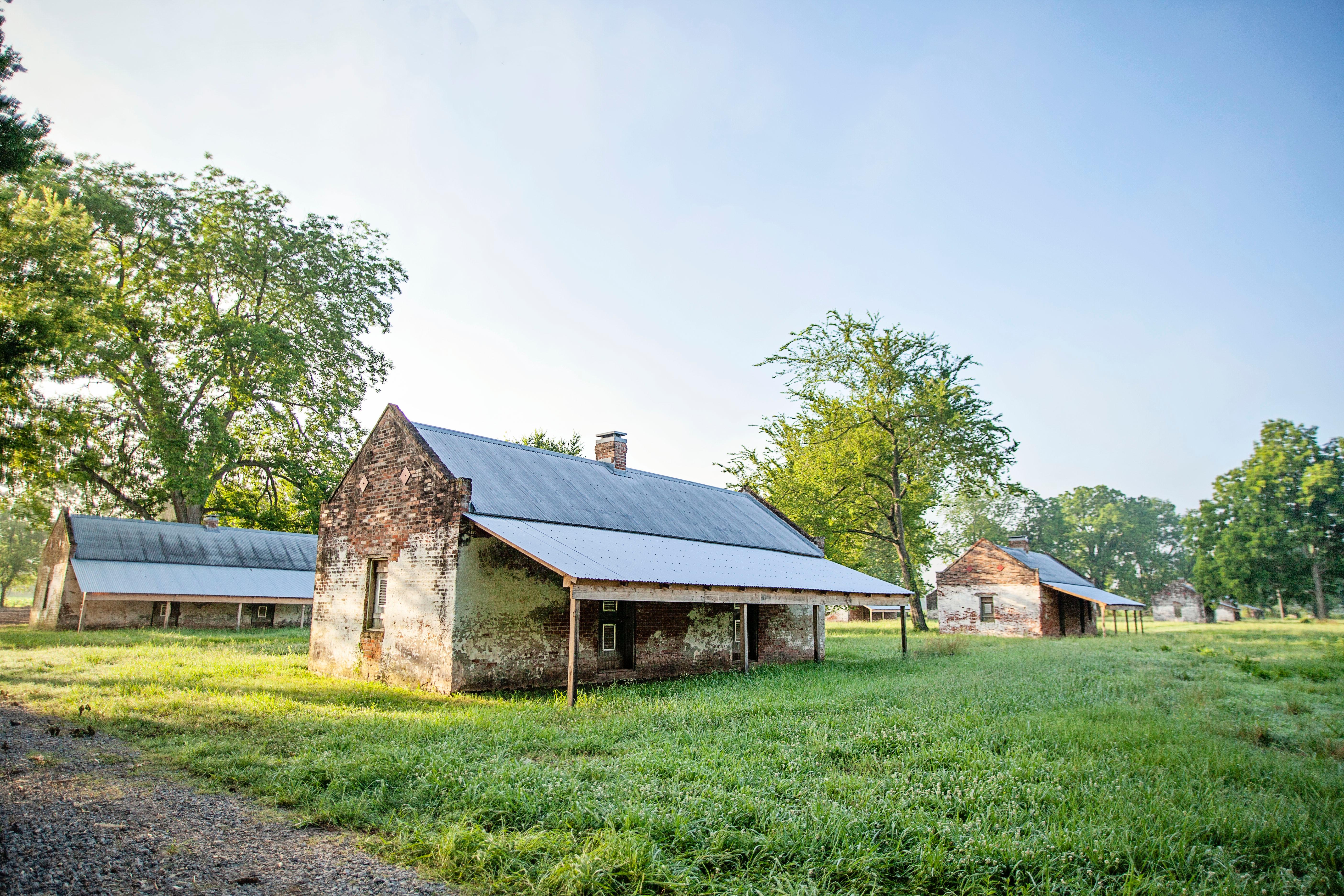
Brick cabins built to house enslaved workers, served as homes for tenant farmers into the 1960s.
These brick cabins were built in the 1840s to house enslaved workers on Magnolia Plantation. Following Emancipation the cabins served as homes for tenant farmers.
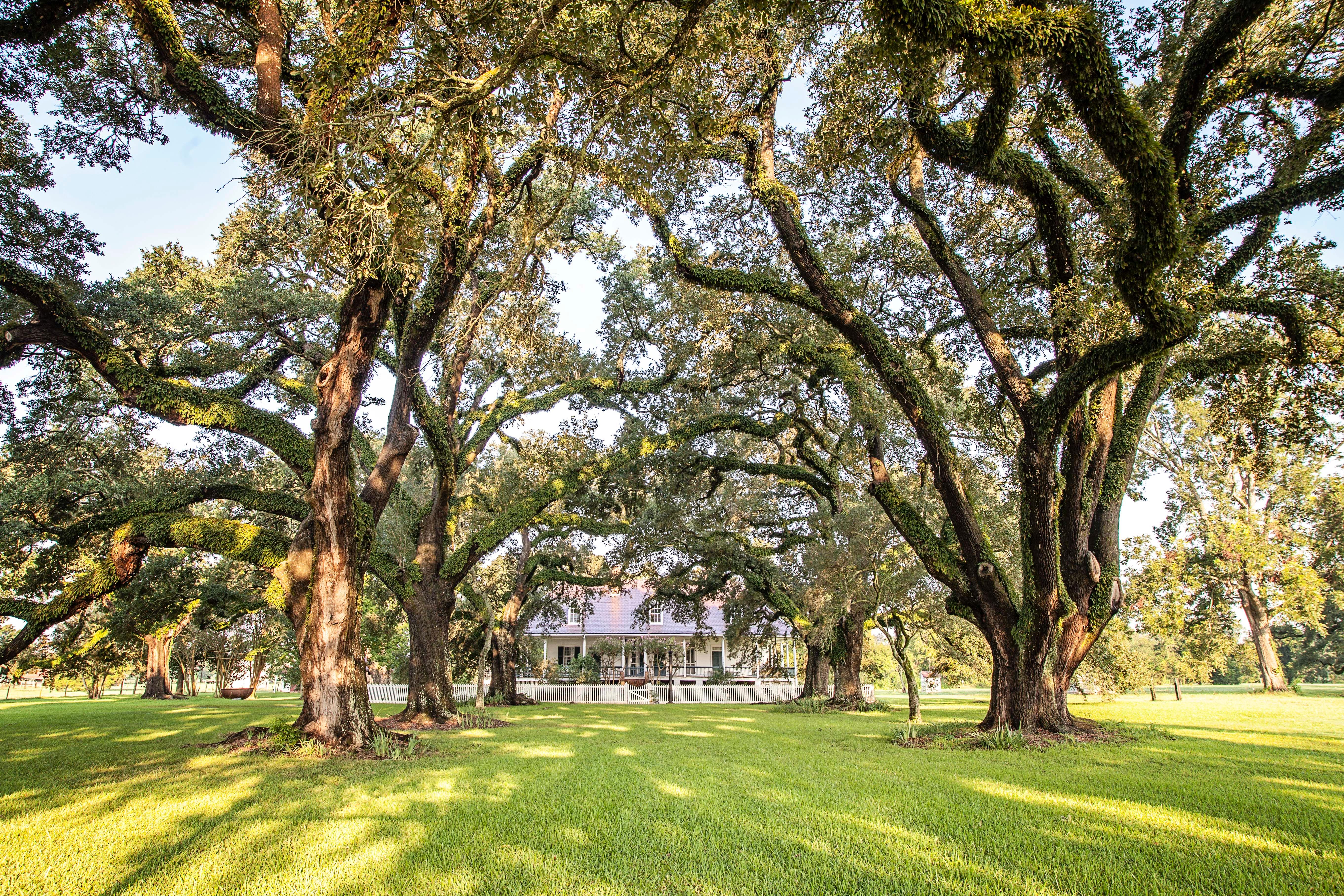
Two rows of Live Oak trees stretch from the Cane River to the Oakland Plantation Main House.
The Oak Allee, planted in the mid-1820s, stretches from the Cane River to the Oakland Plantation Main House.
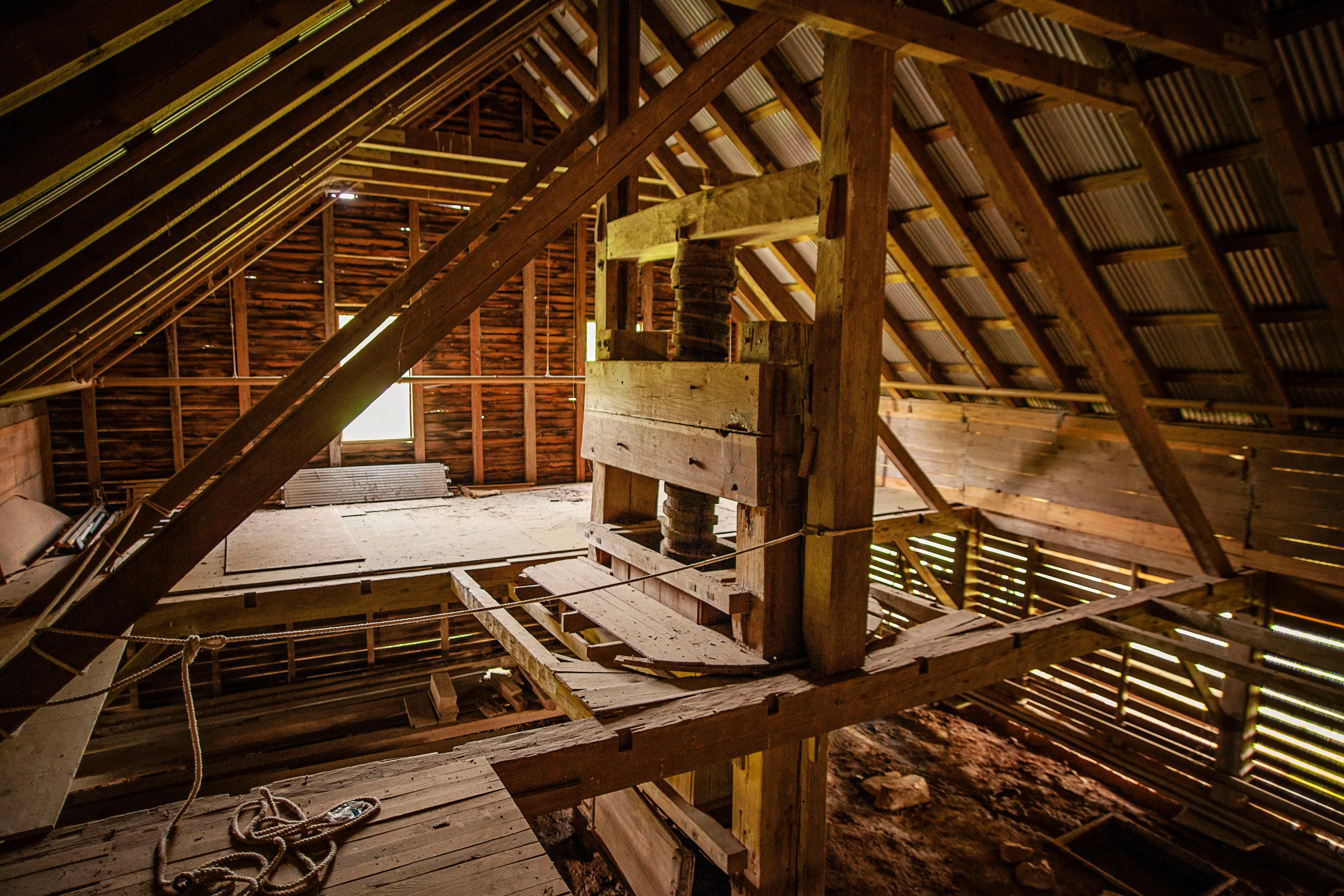
This wood screw cotton press was used at Magnolia Plantation to form cotton into bales for market.
The Magnolia Plantation Gin Barn houses this rare wood screw cotton press.

Activities

  • Arts and Culture
  • Food
  • Picnicking
  • Guided Tours
  • Self-Guided Tours - Walking
  • Junior Ranger Program